
Quick Routine Summary for Summer
Morning
Step 1. Gel or foaming cleanser
Step 2. Lightweight serum, niacinamide or vitamin C
Step 3. Water-based gel moisturizer
Step 4. SPF 50+ sunscreen
Night
Step 1. Micellar water or cleansing oil
Step 2. Gel or foaming cleanser
Step 3. Treatment serum, niacinamide, hyaluronic acid, or salicylic acid
Step 4. Lightweight moisturizer with ceramides
Summer in Pakistan is not like summer anywhere else. From May to September, temperatures cross 40 degrees in most cities, UV index sits at extreme levels for hours every day, and the combination of heat, humidity, dust, and pollution puts your skin under constant stress.
The skincare routine that worked perfectly in February will work against you in June. Heavy moisturizers clog pores. Strong actives cause irritation and sensitivity. And skipping sunscreen even once can undo weeks of progress on pigmentation and skin tone.
This guide covers everything you need to adjust, what to keep, what to pause, and how to build a simple summer skincare routine that actually works for skin in Pakistan.
How Summer Affects Your Skin
Before changing your routine, it helps to understand what heat and sun actually do to your skin.
Excess Oil and Breakouts
Heat increases sebum production. Your skin produces more oil to regulate temperature, and that oil mixes with sweat, sunscreen, and dust to clog pores. This is why people who never had acne in winter suddenly break out in summer.
Dehydration Despite Sweating
This one surprises people. You sweat constantly in summer which feels like your skin is hydrated, but sweat does not hydrate skin. It actually pulls water from your skin as it evaporates. Combined with air conditioning, which strips moisture from indoor air, your skin loses water faster in summer than in winter.
Pigmentation and Sun Damage
Pakistan has one of the highest UV indexes in the world during summer months. UV exposure triggers melanin production which causes dark spots, uneven skin tone, and worsens existing hyperpigmentation. If you are already dealing with melasma or post-acne marks, summer makes them significantly worse without proper sun protection.
Barrier Damage
Heat, UV, sweat, and over-cleansing all weaken the skin barrier. A damaged barrier means redness, sensitivity, stinging when you apply products, and skin that feels tight even when it is oily. This is one of the most common summer skin complaints in Pakistan and it is almost always caused by a combination of too many actives and not enough barrier support.
Morning Skincare Routine for Summer
Your morning routine in summer has one clear priority: protect. Everything you apply in the morning is building a shield for your skin to get through the day.
Step 1. Cleanser
Switch to a gel or foaming cleanser in summer. Cream and milk cleansers are too rich when your skin is already producing extra oil from the heat. You want something light that removes sweat and overnight oil without making your skin feel stripped or tight afterward.
CeraVe Foaming Facial Cleanser works well for oily and combination skin. For normal to dry skin the CeraVe Hydrating Cleanser from the same range is the better option.
Step 2. Serum
After cleansing, if you use a serum, make sure it is lightweight and absorbs quickly. Heavy serums sit on skin in summer and cause congestion. This applies to any serum you use whether it is niacinamide, vitamin C, or anything else.
Niacinamide works well in summer for oiliness, redness, and pores. Vitamin C is the better pick if your concern is pigmentation and sun damage.
If you want to use both, apply niacinamide first, let it absorb, then apply vitamin C. However if it feels heavy on your skin use one serum at a time. Unlike winter where layering both is easy, summer heat and humidity make your skin less tolerant of multiple layers.
Step 3. Moisturizer
A lot of people skip moisturizer in summer because their skin already feels oily. That is actually the wrong move. When skin is dehydrated it produces more oil to compensate, which makes things worse.
Switch to a lightweight gel or water-based moisturizer. It gives your skin the hydration it needs without feeling heavy or clogging pores in the heat. Your winter moisturizer is likely too rich for this time of year.
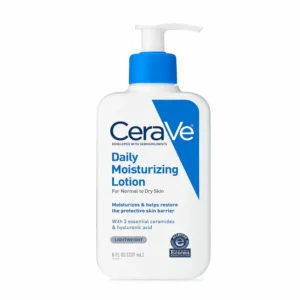
CeraVe Moisturising daily Lotion is a good option for summer. Light enough for daily use in humidity and non-comedogenic.
Step 4. Sunscreen
This is the most important step in your entire summer routine. Everything else is secondary to this.
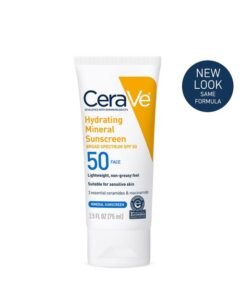
Use SPF 30 or higher. The higher the better, especially if you spend time outdoors during peak hours. Apply it as the last step of your morning routine after everything else has absorbed.
One important thing to keep in mind is that while you can get away with a thin layer of serum or moisturizer in summer, sunscreen is the one product where the amount actually matters. Applying too little means you are not getting the protection written on the label.
A good rule to follow is the two finger rule. Squeeze sunscreen along your index and middle finger and that is roughly the right amount for your face and neck.
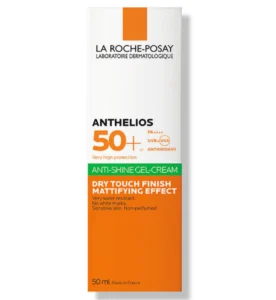
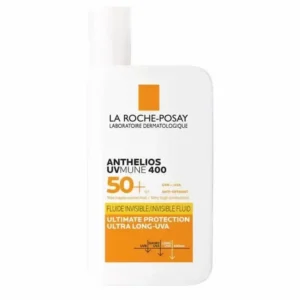
La Roche-Posay Anthelios Invisible Fluid SPF 50+ is a strong daily option. Lightweight, no white cast, and works well for oily skin in humidity.
Night Skincare Routine for Summer
Your night routine in summer is about repair and recovery. Your skin has spent the entire day dealing with UV, heat, dust, and pollution. Night is when it rebuilds.
Step 1. Double Cleanse
Double cleansing matters more in summer than any other time of year. Sunscreen, sweat, oil, and pollution build up on your skin throughout the day and a single cleanse often does not remove everything properly.
Start with a micellar water or cleansing oil to break down sunscreen and surface buildup. Then follow with your regular gel or foaming cleanser to clean the skin underneath.
If you are breaking out despite having a good routine, skipping double cleanse is usually the reason. Leftover sunscreen and sweat sitting on your skin overnight will clog pores no matter how good your other products are. However if you are not wearing heavy sunscreen or makeup and do not have much buildup from the day, a single foaming cleanser may be enough.
Step 2. Treatment Serum
Night is when you use your treatment actives but summer requires you to be more careful about which ones and how often.
Niacinamide works perfectly year-round and can be used every night without concern. Hyaluronic acid is another great night option for summer. Applying it on slightly damp skin after cleansing locks in hydration and helps skin recover overnight.
Summer sun and heat also accelerate pigmentation and tanning. This makes a brightening serum more important in summer than any other season. Vitamin C, alpha arbutin, or any brightening serum you trust works well at night to gradually fade the tan and dark spots that summer UV leaves behind.
For acne-prone skin, a low-concentration salicylic acid serum once or twice a week helps clear pores that get congested from summer sweat and sunscreen buildup.
Step 3. Moisturizer
At night you can use a slightly richer moisturizer than your morning formula since you are not going out into heat. Something with ceramides and peptides helps repair the barrier that UV and heat damage throughout the day.
If you are using one moisturizer for both morning and night, which most people do, simply apply a slightly more generous amount at night. That is enough.
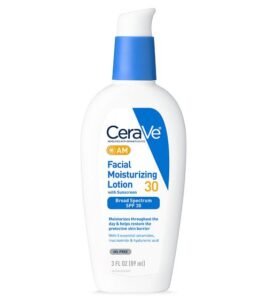
CeraVe PM Facial Moisturising Lotion is designed specifically for night use — lightweight but with ceramides, hyaluronic acid, and niacinamide built in.
The Actives Adjustment — What to Change in Summer
This is the section most skincare guides skip and it is the most important one for anyone who uses active ingredients.
What to Pause or Reduce in Summer
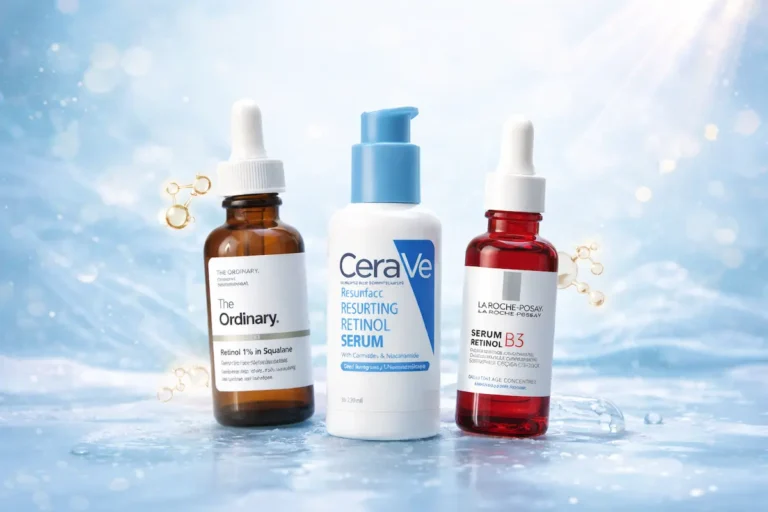
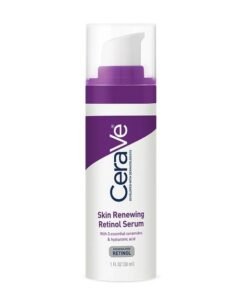
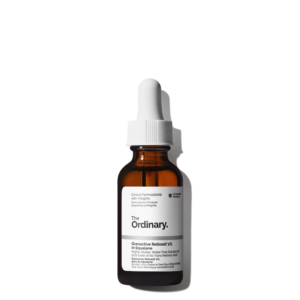
If you use retinol, summer is the time to reduce how often you apply it. Retinol increases your skin’s sensitivity to sun and heat so using it at the same frequency as winter can lead to irritation, redness, and even more pigmentation from UV exposure. Scale back to what your skin feels comfortable with and always apply it at night only.
If you are using tretinoin or any other prescription retinoid you need to be even more careful. These are significantly more potent than over the counter retinol and the photosensitivity they cause is much stronger.
Many dermatologists recommend reducing frequency to once or twice a week in summer or pausing until the cooler months. If you continue using them, be extremely consistent with sunscreen every single morning without exception.
AHAs (Glycolic acid, Lactic acid)
In summer reduce how often you use these because they exfoliate the top layer of skin which makes it more sensitive to UV and more prone to pigmentation and sun damage. Once or twice a week at night is enough and do not go beyond that during summer months.
BHAs (Salicylic acid)
Salicylic acid is different. It does not increase sun sensitivity the way AHAs do. If your skin gets congested in summer from sweat and sunscreen buildup, you can continue using salicylic acid regularly. It actually helps keep pores clear during the season when they need it most. Just keep wearing your sunscreen as usual.
Do not layer multiple exfoliating products in summer. Pick one and use it less frequently than you would in cooler months.
What to Keep
Niacinamide — keep this year-round, it is one of the most summer-friendly active ingredients available.
SPF — obviously non-negotiable.
Hyaluronic acid — essential for combating summer dehydration.
Low-strength retinol like 0.2% or 0.3% at night — this can be continued in summer as long as you are rigorous with sunscreen.
Antioxidants in the morning — Vitamin C at lower concentrations, Vitamin E, or products combining both.
SPF Reapplication — The Step Everyone Ignores
Applying sunscreen once in the morning is not enough if you spend time outdoors. Sunscreen breaks down with UV exposure, sweat, and touch. After two hours of sun exposure, protection drops significantly.
If you are indoors most of the day with limited direct sun exposure, one morning application is generally sufficient. If you go outside mid-day even briefly, reapply before you go.
If you are spending extended time outdoors — commuting, outdoor work, running errands — reapply every two hours.
For reapplication over makeup, a sunscreen spray or powder SPF works better than a cream formula. It does not disturb makeup and can be applied quickly.
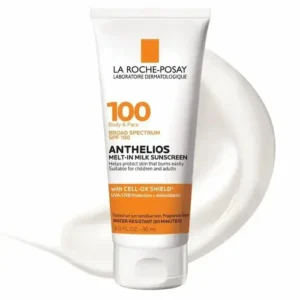
Carry a small travel-sized sunscreen in your bag during summer. La Roche-Posay Anthelios comes in sizes that fit easily into a bag or pocket.
Ingredients to Avoid in Summer
Knowing what not to use is as important as knowing what to use.
Heavy occlusives — shea butter, cocoa butter, and coconut oil as main moisturizer ingredients sit on top of skin in heat and humidity and block pores. Save these for winter.
Alcohol-based toners — astringent toners with high alcohol content strip moisture and trigger rebound oiliness. In summer heat, they also irritate skin that is already stressed from UV exposure.
Fragrance-heavy products — heat increases skin sensitivity to fragrance. Products that were fine in winter can cause redness, irritation, or allergic reactions in summer. Switch to fragrance-free formulas where possible.
Over-exfoliation — the urge to exfoliate more in summer because skin feels congested is understandable, but doing it too often strips the barrier and makes everything worse. Once or twice a week maximum.
Thick cream sunscreens — heavy, cream-based sunscreens designed for dry winter skin or beach use are too rich for Pakistani summer daily wear. They clog pores and cause milia. Use lightweight fluid or gel sunscreens for everyday use.
Also Read:
Skincare Routine for Oily Skin: Steps, Products and Tips
Skincare Routine for Dry Skin: How to Keep Your Skin Hydrated