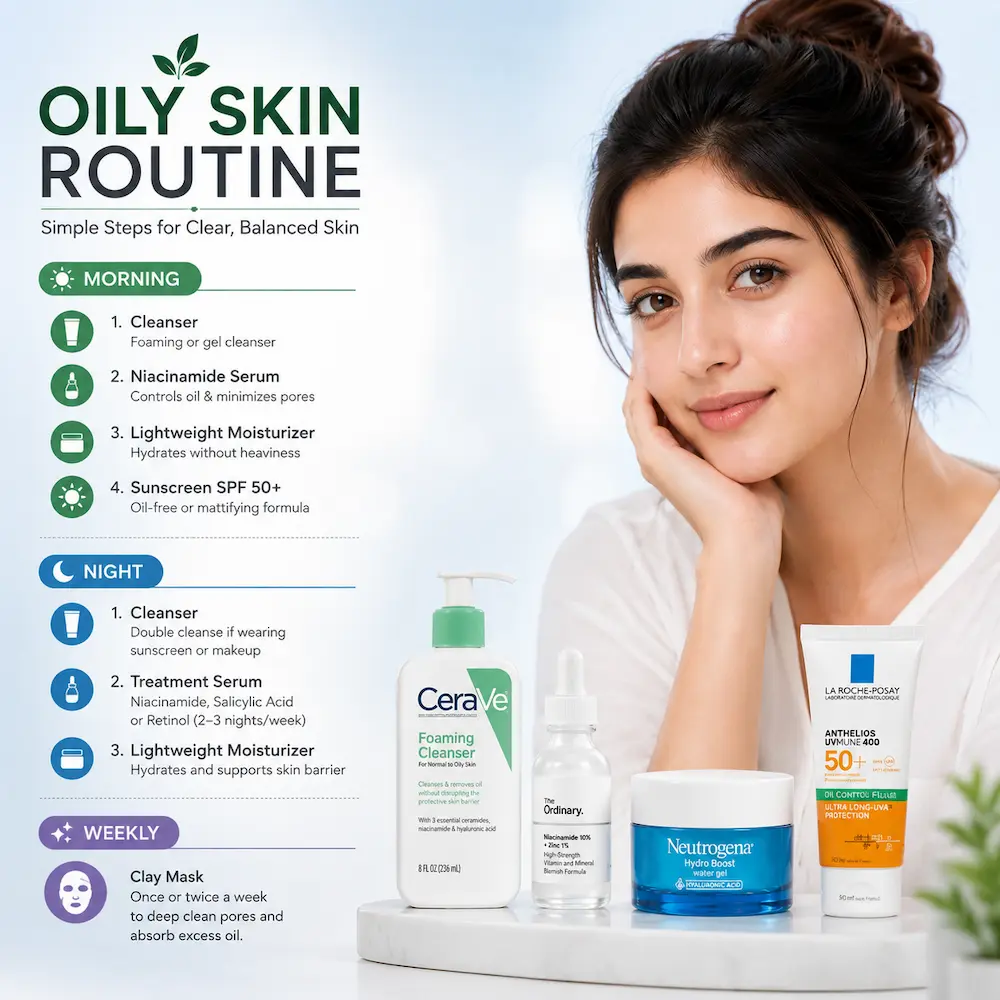
Quick Routine Summary for Oily Skin
Morning
Step 1. Foaming or gel cleanser
Step 2. Niacinamide serum — optional but very effective in controlling oil throughout the day
Step 3. Lightweight gel moisturizer
Step 4. SPF 50+ sunscreen — choose oil-free or mattifying formula
Night
Step 1. Cleanser — double cleanse if you wore sunscreen or makeup
Step 2. Treatment serum — niacinamide, salicylic acid, or retinol 2 to 3 nights per week
Step 3. Lightweight moisturizer
Weekly
Clay mask once or twice a week to deep clean pores and absorb excess oil.
Why Oily Skin Needs Its Own Routine
If your face looks shiny by midday, your pores always seem visible, and every moisturizer feels heavy, you have oily skin. You are not alone. Oily skin is one of the most common skin types, especially in Pakistan where heat and humidity push sebum production higher than average.
The problem most people with oily skin face is using the wrong products. Heavy creams, skipping moisturizer, over-washing, harsh scrubs. These all make oily skin worse, not better.
A good routine for oily skin is not about stripping oil away. It is about balancing sebum production so your skin stays healthy without the shine.
This guide gives you a straightforward morning and night routine for oily skin with the right steps, the right ingredients, and product recommendations you can actually buy in Pakistan.
What Causes Oily Skin
Before building a routine it helps to understand why your skin produces excess oil.
Your skin produces oil through glands called sebaceous glands. This oil, called sebum, is actually good for your skin. It keeps the barrier healthy and prevents moisture loss. The problem starts when these glands overproduce.
Several things trigger excess sebum production:
Genetics
If your parents have oily skin, you likely will too. This is the most common cause and the one you cannot change. What you can do is manage it well.
Hormones
Hormonal changes during puberty, periods, pregnancy, and stress all increase sebum production. This is why many people notice their skin gets oilier at certain times of the month.
Climate
Heat and humidity directly stimulate oil production. Pakistan’s climate, especially in summer, means your skin is constantly working against the environment. This is why a lightweight, fast-absorbing routine matters more here than in cooler countries.
Over-washing
Washing your face more than twice a day strips your skin of moisture. When your skin detects this it produces even more oil to compensate. Washing twice a day is enough.
Wrong Products
Using heavy creams, thick oils, or comedogenic products clogs pores and makes oily skin worse. The texture of everything you use matters with oily skin.
Morning Skincare Routine for Oily Skin
Your morning routine has one main job. Clean your skin, hydrate it lightly, and protect it from the sun. Keep it simple and fast-absorbing.
Step 1 — Cleanser
Start with a gentle gel-based or foaming cleanser. Oily skin needs a cleanser that removes excess sebum and clears pores without stripping the skin completely.
Look for these ingredients in a cleanser for oily skin:
Salicylic acid clears inside pores and prevents blackheads. Niacinamide controls oil and calms the skin. Gel or foam texture removes oil without leaving residue.
Avoid creamy or oil-based cleansers in the morning. They leave a film on oily skin and make shine worse throughout the day.
Good options available in Pakistan:
CeraVe Foaming Facial Cleanser is one of the best cleansers for oily skin. It has a foaming texture that clears oil and dirt without disturbing the skin barrier. It contains niacinamide and ceramides so it cleans without over-drying.
Cetaphil Oily Skin Cleanser is another gentle option worth considering. It controls excess oil without stripping the skin barrier and works well for oily skin that is also sensitive.
La Roche-Posay Effaclar Purifying Foaming Gel is another excellent choice. Specifically formulated for oily and sensitive skin, it removes excess sebum and tightens pores without leaving the skin feeling tight or uncomfortable.
Use lukewarm water. Hot water strips the skin and triggers more oil production.
Step 2 — Serum
After cleansing apply a lightweight serum. For oily skin niacinamide is the single most effective ingredient you can use.
Niacinamide, also known as vitamin B3, does several things at once. It reduces how much oil your sebaceous glands produce. It minimises the appearance of pores. It fades post-acne marks. It strengthens your skin barrier. And it does all of this without any greasiness.
Apply 2 to 3 drops after cleansing and let it absorb before the next step.
The Ordinary Niacinamide 10% + Zinc 1% is the most straightforward option. It is lightweight, absorbs quickly, and delivers a high concentration of niacinamide at an affordable price. The zinc also helps control shine.
Anua Niacinamide 10% + TXA 4% is a stronger option if you also have dark spots or uneven tone from old acne. The tranexamic acid works alongside niacinamide to fade marks faster.
Step 3 — Moisturizer
This is the step most oily skin people skip. Do not skip it.
When you skip moisturizer your skin senses dehydration and produces more oil to compensate. The result is oilier skin, not less oily. Oily skin still needs hydration. It just needs it in the right texture.
For oily skin you want a water-based gel moisturizer. These hydrate without any heaviness or greasy residue.
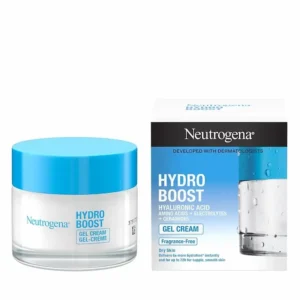
Neutrogena Hydro Boost Water Gel is one of the best options for oily skin. It is a lightweight water gel that absorbs instantly and leaves no residue. The hyaluronic acid keeps skin hydrated for hours without triggering more oil.
In summer you can apply a very thin layer. In winter apply a normal amount. Let it absorb fully before applying sunscreen.
Step 4 — Sunscreen
Sunscreen is non-negotiable. It is the most important step in any morning routine regardless of skin type.
For oily skin specifically sunscreen matters even more because UV exposure worsens dark spots left by acne, breaks down the skin barrier, and actually increases oil production over time.
The reason most oily skin people avoid sunscreen is texture. Old sunscreens were thick, white, and greasy. Modern formulas have changed completely.
Look for these features in a sunscreen for oily skin:
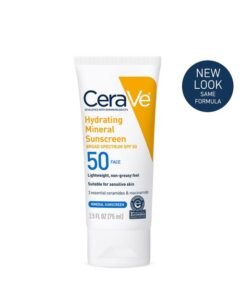
SPF 50 or above. Lightweight fluid or gel texture. Oil-free and non-comedogenic. Matte or invisible finish. Fast absorption.
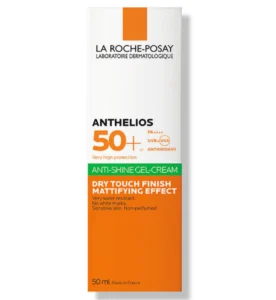
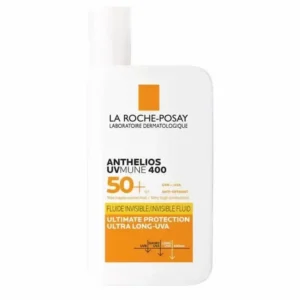
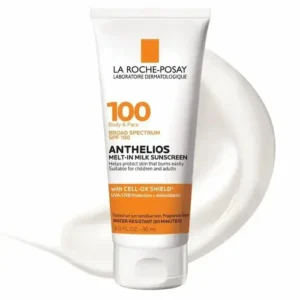
La Roche-Posay Anthelios Anti-Shine SPF 50+ was made specifically for oily skin. It has a mattifying formula that controls shine throughout the day. It absorbs completely with no white cast and no greasy feeling. This is the best sunscreen on PrimeSkin.pk for oily skin.
SKIN1004 Madagascar Centella Tea-Trica Soothing Sun Milk is another excellent option. It is a hybrid sunscreen with a lightweight milky texture that absorbs fast. Good for oily skin that is also sensitive or prone to redness.
Apply sunscreen as the last step every morning. Use enough to cover your full face and neck. Reapply every two hours if you are outdoors.
Night Skincare Routine for Oily Skin
Your night routine does something different from your morning routine. At night your skin repairs itself. The goal is to remove the day’s buildup, treat any active concerns like acne or dark spots, and support overnight recovery.
Step 1 — Cleanser
Double cleansing is worth considering at night if you wear sunscreen or any makeup. Start with a micellar water or gentle oil cleanser to remove sunscreen, then follow with your regular gel cleanser.
If you do not wear makeup you can just use your regular gel cleanser at night.
Step 2 — Treatment Serum
Night time is when you apply your active treatments. These are ingredients that work best overnight when your skin is in repair mode and you are not exposing them to sunlight.
For oily and acne-prone skin the best night time treatment options are:
Niacinamide serum if you did not use it in the morning. Apply the same way, 2 to 3 drops after cleansing.
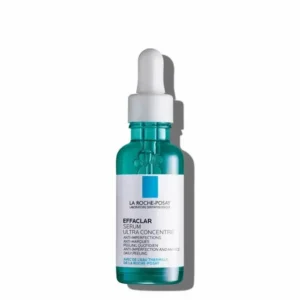
La Roche-Posay Effaclar Ultra Concentrated Serum is a strong option for oily skin dealing with active breakouts or persistent marks. It combines niacinamide, LHA (a gentle BHA), and glycolic acid to unclog pores, reduce acne, and fade marks over time. Use it 3 to 4 nights per week rather than every night if your skin is sensitive.
The Ordinary Salicylic Acid 2% Solution can be used once or twice a week at night. It dissolves oil inside pores, clears blackheads, and prevents new breakouts from forming.
Step 3 — Moisturizer
At night you can use a slightly more nourishing moisturizer than in the morning. Your skin repairs its barrier overnight so giving it a bit more support helps.
For oily skin keep it lightweight but you can go slightly richer than the morning gel.
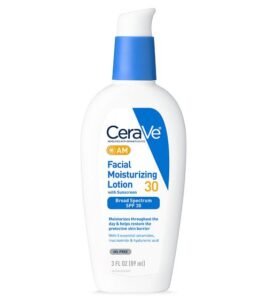
At night you can also choose CeraVe PM Facial Moisturizing Lotion. It is lightweight, contains niacinamide, and works well for oily skin overnight.
Key Ingredients for Oily Skin
Understanding ingredients helps you read labels and make better choices. These are the most effective ingredients for oily skin.
Niacinamide
The top ingredient for oily skin. Reduces sebum production, shrinks pore appearance, fades marks, and strengthens the skin barrier. Works at 5% to 10% concentration. Safe to use daily.
Salicylic Acid
A BHA that dissolves oil inside pores. Prevents and clears blackheads and whiteheads. Best used in a cleanser for daily use. Can be used in a serum or toner a few times per week.
Hyaluronic Acid
A lightweight hydrator that holds water in the skin without adding oil. Essential for oily skin that needs moisture without heaviness.
Zinc
Often combined with niacinamide. Controls sebum and has mild antibacterial properties. Helps with oily and acne-prone skin.
Glycolic Acid
An AHA that exfoliates the surface of the skin. Useful for oily skin with blackheads, dullness, or uneven texture. Use once or twice a week at night only.
Ingredients to Avoid With Oily Skin
Some ingredients make oily skin worse. Knowing what to avoid saves you money and prevents breakouts.
Heavy oils like coconut oil, mineral oil, and olive oil clog pores and worsen oiliness. Some oils like squalane are fine but thick plant oils are risky for oily skin.
Thick creams with petrolatum or lanolin sit on the surface of oily skin and block pores. These are designed for dry skin.
High alcohol concentrations in toners strip the skin and trigger rebound oil production. Avoid toners that list alcohol as one of the first ingredients.
Fragrance does not cause oiliness but it irritates skin and damages the barrier over time. Fragrance-free products are always the safer choice for any skin type.
Common Mistakes People With Oily Skin Make
Over-washing the face
Washing more than twice a day strips oil and causes your skin to produce more to compensate. Stick to morning and night.
Skipping moisturizer
Dehydrated oily skin produces more oil. Always moisturize with a lightweight gel formula.
Using heavy products marketed as natural
Coconut oil, argan oil, and similar natural products can clog pores badly on oily skin despite the clean ingredient lists.
Exfoliating every day
Daily exfoliation damages the skin barrier and causes irritation. Once or twice a week is enough.
Expecting overnight results
Oil control takes 4 to 6 weeks of consistent routine use to show real results. Give products enough time before switching.
Frequently Asked Questions
Does oily skin still need moisturizer?
Yes. Oily skin is often dehydrated underneath. When you skip moisturizer your skin produces more oil to compensate. Use a lightweight water-based gel moisturizer that hydrates without adding greasiness.
How many times should I wash my face if I have oily skin?
Twice a day. Once in the morning and once at night. Washing more than twice strips natural oils and causes your skin to overproduce sebum.
Which sunscreen is best for oily skin in Pakistan?
Look for oil-free, lightweight formulas with SPF 50. La Roche-Posay Anthelios Anti-Shine SPF 50+ is specifically designed for oily skin and controls shine throughout the day. SKIN1004 Tea-Trica Soothing Sun Milk is a good alternative with a lightweight texture.
Can I use The Ordinary Niacinamide every day?
Yes. Niacinamide is one of the safest actives for daily use. Apply it morning and night after cleansing for best results.
Why does my skin get oilier in summer?
Heat and humidity directly stimulate sebum production. Pakistan’s summer climate is one of the main reasons oily skin is so common here. Using lighter textures and a mattifying sunscreen helps manage this.
How long does it take to see results from an oily skin routine?
Allow 4 to 6 weeks of consistent use before judging results. Skin cell turnover takes time. Niacinamide specifically shows visible oil control results in 4 to 8 weeks.
Can oily skin use retinol?
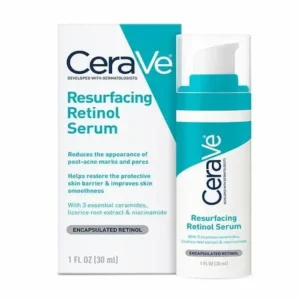
Yes. Retinol is actually very effective for oily and acne-prone skin. It regulates oil production, unclogs pores, and reduces breakouts over time. Start with a low concentration like 0.5% and use it 2 to 3 nights per week only.
Is oily skin good or bad?
Oily skin is not all bad. It tends to age more slowly than dry skin because the natural oils keep the skin barrier moisturized. The key is managing excess oil without stripping it completely.
Can I use a clay mask if I have oily skin?
Yes. A kaolin or bentonite clay mask used once or twice a week helps absorb excess oil and deep clean pores. Do not use it every day as it can dry the skin out.
What ingredients should oily skin avoid?
Avoid coconut oil, mineral oil, thick petrolatum-based creams, and high alcohol toners. These either clog pores or trigger more oil production.