Retinol is widely recognized as one of the most effective ingredients for improving acne, pigmentation, fine lines, and uneven skin texture. Its benefits come from how it supports healthy skin renewal and long-term structural improvement rather than temporary surface effects. When used correctly, retinol serum can help clear pores, smooth rough texture, and gradually improve overall skin clarity.
For many people in Pakistan, factors like heat, sun exposure, dust, and pollution make these concerns more persistent. This guide focuses on the real retinol benefits, explains how retinol works within the skin, and shows how to use it safely for visible, lasting results.
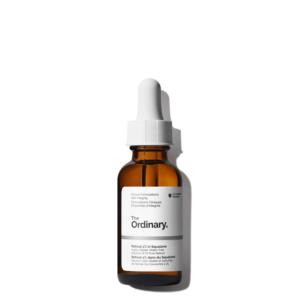
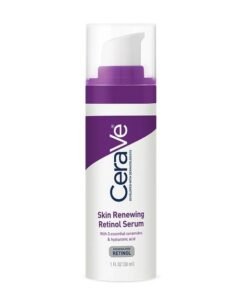
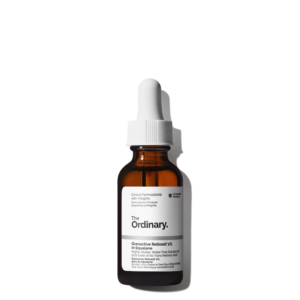
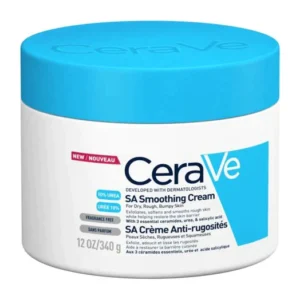
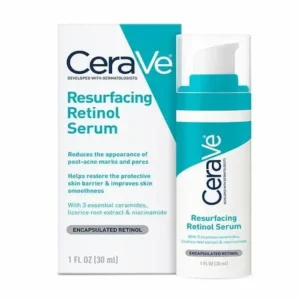
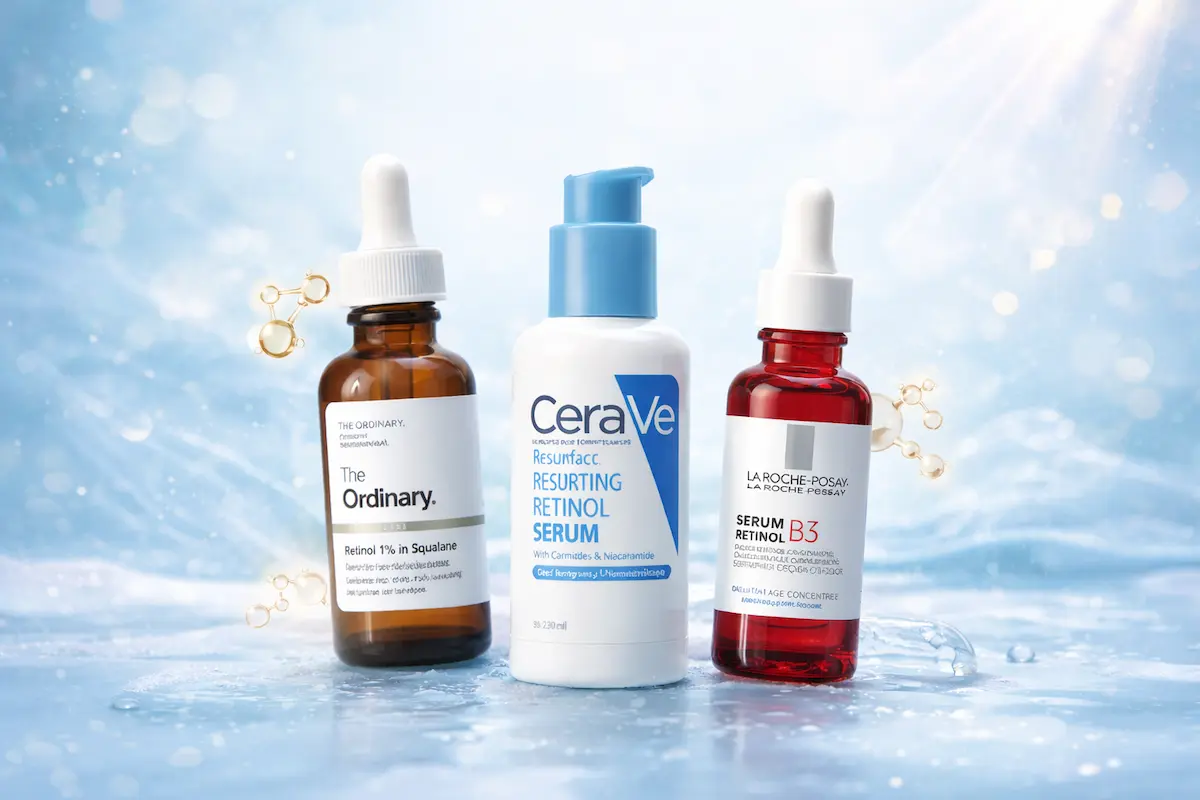
In Pakistan, retinol is commonly available in the form of serums, creams, or lotions. Some popular beginner options include CeraVe Resurfacing Retinol Serum and The Ordinary Retinol in Squalane — both of which are gentle but effective.
What Is Retinol?
Retinol is a vitamin A–based skincare ingredient, also known as a retinoid, that helps regulate how skin cells renew and repair themselves. After application, retinol is gradually converted into retinoic acid within the skin, which is the active form responsible for increasing cell turnover, preventing clogged pores, and supporting collagen production. Through this process, retinol helps reduce fine lines, wrinkles, uneven tone, and acne over time, but it should be introduced slowly to avoid dryness or irritation.
Retinol Serum Benefits for Skin
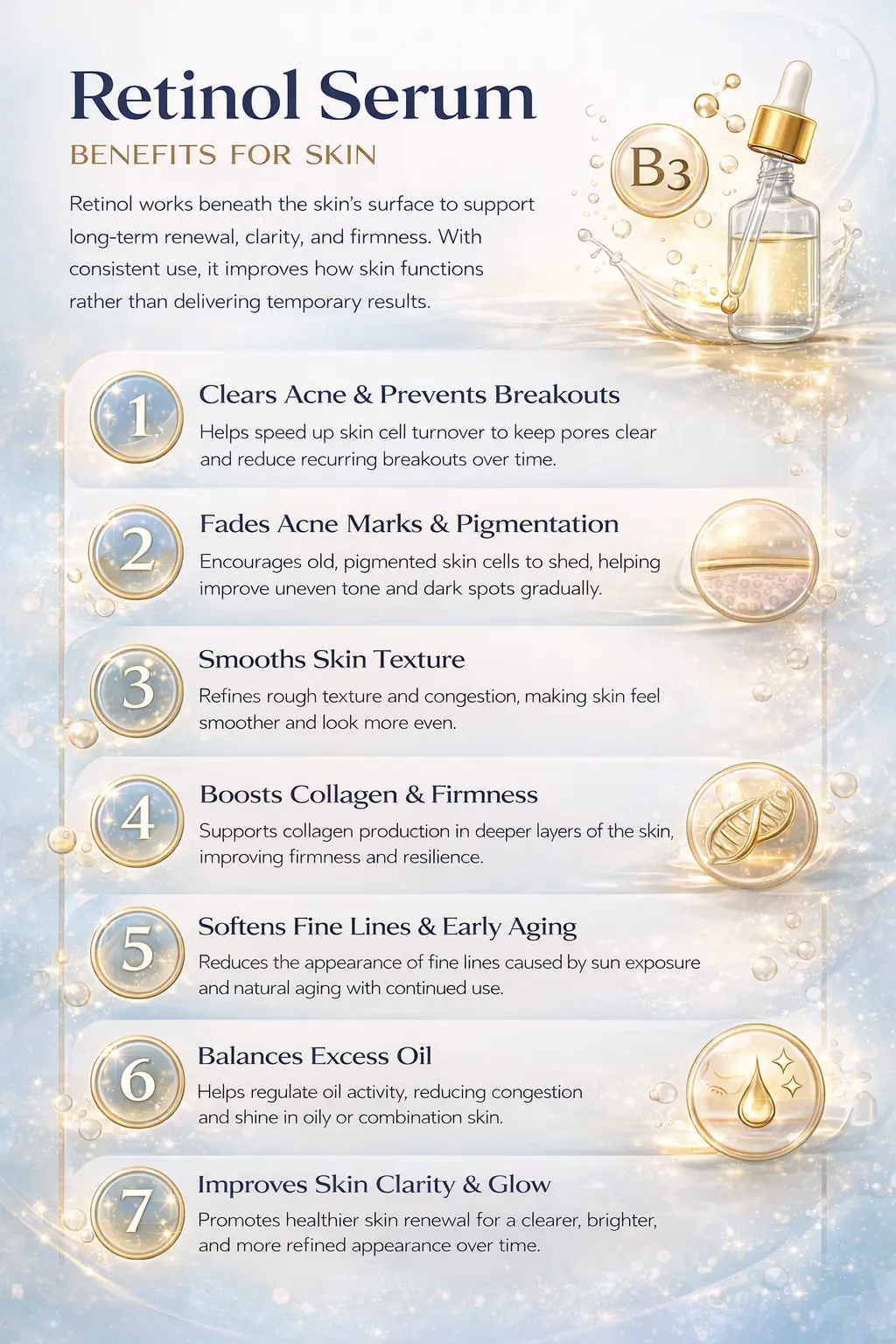
Now let’s focus on what matters most to people considering retinol — what it actually does for the skin when used correctly and consistently. Retinol is not a quick-fix ingredient. Its real power comes from how it works beneath the surface to improve skin function over time.
Below are the key retinol serum benefits that make it one of the most recommended ingredients in dermatology.
1. Helps Clear Acne and Prevent New Breakouts
Retinol works by increasing skin cell turnover, which helps prevent dead skin cells from clogging pores. When pores stay clear, acne-causing bacteria have less chance to thrive, leading to fewer active breakouts. With consistent use, retinol also reduces the formation of new comedones, making it especially helpful for persistent or recurring acne. Over time, clearer pores also mean fewer acne scars forming.
2. Fades Acne Marks and Pigmentation
One of the most noticeable retinol benefits is its ability to gradually fade post-acne marks, sun spots, and uneven pigmentation. By speeding up skin renewal, retinol encourages older pigmented cells to shed more efficiently. Newer, healthier skin cells rise to the surface, leading to a more even skin tone. This process is slow but steady, which makes results more natural and long-lasting.
3. Improves Skin Texture and Smoothness
Retinol helps refine skin texture by reducing surface roughness and buildup inside pores. As cell turnover becomes more regular, skin feels smoother and looks more even. This is particularly useful for tiny bumps, congestion, and uneven texture that often develop in humid or polluted environments. With time, skin appears more refined and balanced.
4. Supports Collagen Production and Skin Firmness
As skin ages, collagen production naturally slows down, leading to fine lines and loss of firmness. Retinol stimulates collagen synthesis in deeper layers of the skin, helping improve skin structure over time. This support makes the skin feel firmer and look more resilient. Fine lines may appear softer as the skin gradually strengthens from within.
5. Reduces the Appearance of Fine Lines and Early Aging
Retinol is widely recognized for its role in minimizing early signs of aging. By improving cell turnover and collagen support, it helps smooth fine lines caused by sun exposure, dehydration, and natural aging. Unlike surface treatments, retinol works progressively, meaning results build with continued use. This makes it suitable for both prevention and early correction of aging concerns.
6. Helps Regulate Excess Oil and Congestion
Retinol can help normalize how oil glands function, which reduces excessive oil buildup on the skin. When oil production becomes more balanced, pores are less likely to stretch or become congested. This is particularly beneficial for oily and combination skin types that struggle with shine and frequent breakouts. Balanced oil levels also support a healthier skin barrier.
7. Enhances Overall Skin Clarity and Glow
As damaged and dull surface cells are replaced with newer ones, skin begins to look clearer and brighter. Retinol improves light reflection on the skin by smoothing uneven areas and reducing congestion. The result is not an instant glow, but a gradual improvement in skin clarity and freshness. With consistent use, skin often appears healthier and more refined.
How to Use Retinol in Your Skincare Routine (Step-by-Step)
Using retinol correctly is the key to getting results without damaging your skin. Many people in Pakistan stop using retinol because they experience dryness, purging, or irritation — but most of that happens due to incorrect usage, not the ingredient itself.
Here’s a simple, safe way to use retinol serum, even if you are a complete beginner:
Step-by-Step Night Routine with Retinol:
Cleanse Gently
Start with a mild, non-stripping cleanser to remove dirt, oil, and sunscreen without disrupting the skin barrier.
Pat Dry and Wait
Make sure your skin is completely dry before applying retinol. Applying retinol on damp skin can increase penetration and raise the risk of irritation.
Apply a Pea-Sized Amount
Use a very small amount of retinol and dot it lightly across the forehead, cheeks, nose, and chin, then spread evenly. More product will not give faster results and may cause irritation.
Follow with Moisturizer
After a short wait, apply a soothing moisturizer to support the skin barrier and reduce dryness or tightness.
Use Sunscreen the Next Morning
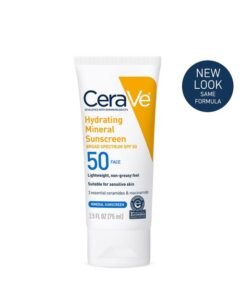
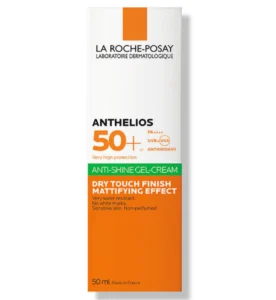
Retinol increases sun sensitivity, so daily sunscreen use is essential the following day to protect the skin and prevent pigmentation.
Side Effects of Retinol
Retinol is not dangerous, but it is strong — so if you start using it without preparation, your skin might panic a little. That is why beginners often face dryness, peeling, purging, or irritation.
- Dryness
- Peeling or flaking
- Purging (temporary breakouts)
- Redness or irritation
- Burning sensation (around mouth or nose)
These are common side effects when starting retinol, especially in the first 2–6 weeks. They’re temporary and mean your skin is adjusting.
- Dryness may feel like tightness or rough texture.
- Peeling usually happens around the nose, mouth, or chin — it is your skin shedding dead cells.
- Irritation or burning is common if you apply too much or layer it with strong actives.
👉 The good news: This does not mean retinol is harming you. It means your skin barrier is adapting. Stick to a slow routine, moisturize well, and most of these issues settle down within a few weeks.
How to Minimize Side Effects
- Start Slow – Use once or twice a week for the first few weeks. Pakistani weather (heat, dust, humidity) makes skin more reactive.
- Use the Sandwich Method – Apply a thin layer of moisturizer before and after retinol to buffer its strength.
- Avoid Harsh Products – Skip scrubs, strong cleansers, astringent toners, or physical exfoliators while adjusting.
- Protect Skin Barrier – On non-retinol days, use calming products such as:
- Ceramide-based moisturizers
- Niacinamide serums
- Simple hydration serums
- Sunscreen Every Day – Use sunscreen every day. UV damage + retinol = redness and pigmentation risk.
- Take a Break if Needed – If skin peels or burns, stop retinol for a few days and focus on barrier repair. Restart slowly when calm again.
👉 Remember: Skin takes time to adjust — sometimes up to 6 months or even a year. Stay consistent, go slow, and you will see results.
Should You Use Retinol Around Your Eyes to Prevent Crow’s Feet?
Absolutely yes — but with care. The skin around your eyes is the thinnest and most delicate on your face, which is why it develops fine lines earlier.
While many believe retinol should never go near the eyes, the truth is: when used properly, it can be one of the most effective ways to prevent or reduce fine lines — even better than many eye creams.
Most “anti-aging” eye creams use low-strength retinoids as their main ingredient. So if your skin tolerates facial retinol, applying it gently around the eyes can target aging early.
But start slowly — especially if you are new to retinol.
- Start by applying retinol slightly away from the eye area.
- After a few weeks of consistent use (with no irritation), move closer to the outer corners where crow’s feet appear.
- Always apply moisturizer after, and never let the product get into the eyes.
❌ Never Apply Retinol On:
- Eyelids
- Lips
- Nostrils or too close to the inner corners of the nose
These areas are too fragile and can react badly. So yes — you may not need a separate eye cream if you are already using retinol smartly, but always prioritize safety and slow progression.
What Not to Mix with Retinol
Retinol can cause irritation when layered with strong or conflicting active ingredients. To avoid over-exfoliation and barrier damage, follow these general guidelines.
Safe to Use With Retinol
- Niacinamide
- Peptides
- Hyaluronic acid
- Ceramides
Avoid Using With Retinol
- Glycolic acid and other AHAs
- Salicylic acid and other BHAs
- Benzoyl peroxide
- Strong exfoliating toners
If your routine includes these ingredients, use them on alternate days or at different times of the day.
Final Thoughts
Retinol is the single most effective anti-aging ingredient in skincare. It improves texture, fades dark spots, controls acne, and reduces fine lines by supporting natural renewal.
If used with care and consistency, even beginners can enjoy its benefits. Start slow, protect your skin barrier, stay hydrated, and always follow with sunscreen.
Results take time — but they are real, lasting, and worth it.
FAQs – Retinol Questions People Commonly Ask
1. Can you use retinol serum daily?
Retinol can be used daily only after your skin has fully adjusted. Beginners should start once or twice a week and increase frequency slowly to avoid irritation. Daily use is usually tolerated after several weeks.
2. What are the benefits of retinol serum?
Retinol serum helps improve acne, fade pigmentation, smooth uneven texture, and reduce fine lines. It works by increasing skin cell turnover and supporting collagen production over time.
3. What are the disadvantages of retinol?
Retinol may cause dryness, peeling, irritation, or purging during the initial weeks. These effects are usually temporary and can be minimized with slow introduction, moisturizer, and sunscreen.
4. How do you use retinol correctly?
Retinol should be applied at night on clean, completely dry skin using a pea-sized amount. Follow with moisturizer and always use sunscreen the next morning.
5. How long until retinol works?
Some improvements in texture or breakouts may appear within 4 to 8 weeks. Pigmentation and fine lines usually take 3 to 6 months of consistent use to improve.
6. What should you not mix with retinol?
Retinol should not be layered with strong exfoliants like AHAs, BHAs, or benzoyl peroxide. These combinations can increase irritation and damage the skin barrier.
7. How do you apply retinol at night?
Apply retinol after cleansing and allowing the skin to dry completely. Use a small amount, spread evenly, and seal with a moisturizer to reduce dryness.
8. Does retinol brighten skin?
Yes, retinol can help brighten skin over time by improving cell turnover and reducing dull, pigmented surface cells. The brightening effect is gradual, not instant.
9. What age should you start using retinol?
Many people start using retinol in their mid-20s for acne, uneven texture, or early aging concerns. Age matters less than skin condition and proper sun protection.
10. How do you know if retinol is working?
Signs that retinol is working include smoother texture, fewer breakouts, and gradual fading of dark spots. Mild dryness or purging early on can also be part of the adjustment phase.
11. Do you need to wash off retinol in the morning?
No, retinol is absorbed into the skin overnight and does not need to be washed off specifically. Simply cleanse your face as usual in the morning and apply sunscreen.
12. What is the best moisturizer to use after retinol?
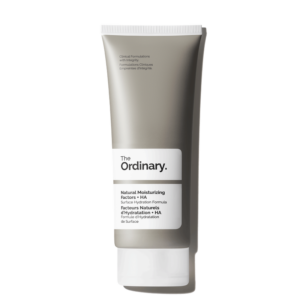
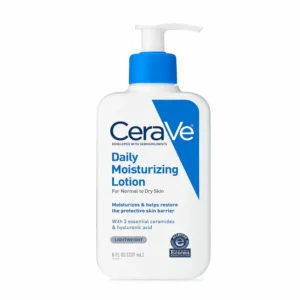
A gentle, fragrance-free moisturizer with ceramides or soothing ingredients works best after retinol. This helps support the skin barrier and reduces dryness or irritation.
Also Read:
Sunscreen Benefits and How to Use It Correctly for Daily Skin Protection