
What Is the Ideal Skin Care Routine?
Morning:
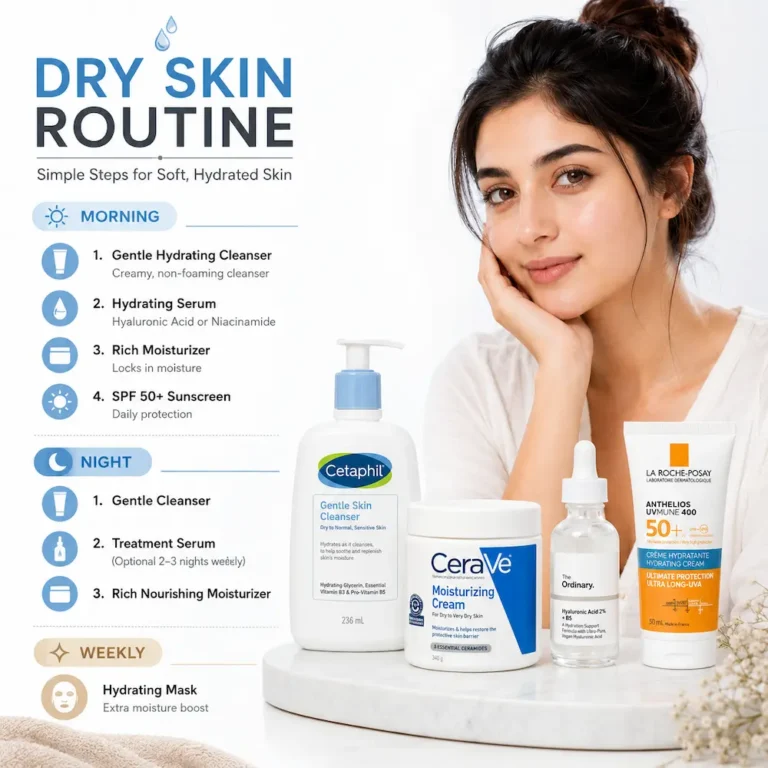
Cleanser
Serum
Moisturizer
Sunscreen
Night:
Cleanser
Treatment Serum
Moisturizer
If you have ever bought three or four skincare products, used them for a week, and then stopped because nothing seemed to work, you are not alone.
Most people in Pakistan either skip skincare entirely or follow someone else’s routine without understanding why it works for them and not for you.
The problem is not the products. The problem is not knowing your skin, not following the right steps, and not being consistent.
A skincare routine is not about using ten products. It is about using the right products in the right order every single day.
The basics are non-negotiable. A good cleanser, a moisturizer, and sunscreen are the foundation of healthy, fresh, and glowing skin. Everything else, serums and treatment actives, takes your skin further.
They target specific concerns like dark spots, acne, aging, and uneven texture. Both the basics and the serums matter.
This guide covers everything you need to know. What a skin care routine actually is, how many steps you need, what order to follow, how to adjust for your skin type, and how Pakistan’s climate affects all of it. By the end you will know exactly what to do morning and night.
What Is a Skin Care Routine
A skin care routine is a set of steps you follow daily to clean, protect, and treat your skin. Think of it the same way you think about brushing your teeth. You do not brush once a week and expect results. You do it every day because consistency is what creates change.
Your skin is your body’s largest organ. It deals with everything your environment throws at it. In Pakistan that means dust, pollution, intense UV rays, humidity in cities like Karachi, dry cold in places like Peshawar and Islamabad during winter, and heat almost everywhere in summer. Without a routine that addresses these factors, your skin is just reacting to damage rather than being protected from it.
A good routine does three things. It keeps your skin clean. It keeps your skin hydrated. And it protects your skin from damage.
How Many Steps Do You Actually Need
This is where most people get confused. Social media shows ten step routines with fifteen products and it looks impressive. The truth is simpler than that.
Three steps are non-negotiable for everyone. No exceptions.
Step one is cleansing. Step two is moisturizing. Step three is sunscreen in the morning. These three steps keep your skin clean, hydrated, and protected from sun damage. If you do nothing else, do these three every single day.
Over four to eight weeks you will see a real difference in how your skin looks and feels.
But if you want to go further, add a serum as your fourth step.
Serums treat your skin at a deeper level. Vitamin C brightens your skin, fades dark spots, and protects against sun and pollution damage.
Retinol speeds up skin cell renewal, keeps skin firm, and prevents early signs of aging. Niacinamide controls oil, reduces redness, and improves uneven skin tone.
Glycolic acid and lactic acid remove dead skin cells and leave your skin smoother and more even over time.
Morning Skin Care Routine Steps
Your morning routine is about protection. You are preparing your skin to face the day.
Step 1: Cleanser
Wash your face with a gentle cleanser. In the morning your skin has not been exposed to pollution or dirt yet, so you do not need anything strong. A mild cleanser removes the oil and any product residue that built up overnight without stripping your skin.
Step 2: Serum
Serums are concentrated treatments. They go on before moisturizer because they need direct contact with your skin to absorb properly.
In the morning, vitamin C is one of the best serums you can use. It protects your skin from free radical damage caused by sun and pollution, brightens uneven skin tone, and helps with dark spots over time.
Niacinamide is another strong morning option. It controls oil production, minimizes pores, reduces redness, and improves uneven skin tone. It works well for almost every skin type.
You can pick one based on your main concern or use both if you want to target multiple concerns at the same time.
Step 3: Moisturizer
Every skin type needs a moisturizer. This is the step most people with oily skin skip and it is one of the biggest skincare mistakes you can make. When you skip moisturizer your skin senses that it is dry and produces more oil to compensate. That extra oil leads to more breakouts and more shine.
Step 4: Sunscreen
This is the most important step in your entire routine.
In Pakistan sunscreen is not optional. The UV index is high almost year round. Karachi, Lahore, Islamabad, Peshawar, every city gets intense sun exposure. UV rays cause pigmentation, premature aging, dark spots, and long term skin damage. Sunscreen is the only product that prevents all of this.
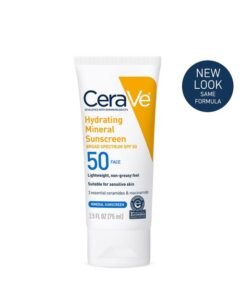
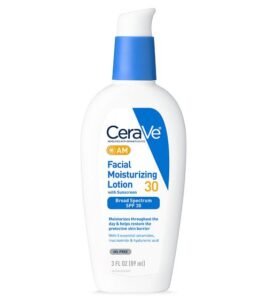
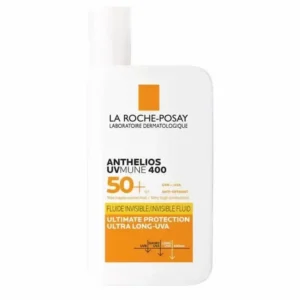
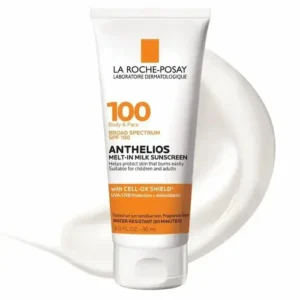
Use at least SPF 30. SPF 50 is better for Pakistani sun exposure. Apply it as the very last step in your morning routine after moisturizer. Most people use too little. For your face alone you need about half a teaspoon.
Apply sunscreen every single day. Not just at the beach. Not just in summer. On cloudy days. Indoors near windows. Every day without exception. UV rays pass through clouds and glass. Skipping sunscreen on any day undoes the work of everything else in your routine.
Night Skin Care Routine Steps
Your night routine is about repair. While you sleep, your skin goes into recovery mode. Skin cell renewal speeds up at night. This is the best time to use treatment ingredients that support that process.
Step 1: Double Cleanse (If Needed)
At night, cleansing is more important than in the morning. Your skin has been exposed to sunscreen, pollution, sweat, and possibly makeup all day. All of that needs to come off properly.
If you wear sunscreen every day, and you should be, a single cleanse may not remove it completely. Sunscreen is designed to stay on your skin. Double cleansing solves this.
Start with a cleansing balm or micellar water to break down sunscreen and any makeup. Then follow with your regular gel or foam cleanser to clean the skin itself.
If you do not wear makeup and use a lightweight sunscreen, a single thorough cleanse is usually enough.
Step 2: Toner (Optional)
If you use a toner, apply it here before your treatment serum.
Step 3: Treatment Serum
Night time is when you use your stronger actives. Retinol, AHAs like glycolic acid, and BHAs like salicylic acid are all better used at night because they increase your skin’s sensitivity to sunlight.
Retinol is one of the most effective ingredients in skincare. It speeds up skin cell turnover, unclogs pores, reduces acne, fades dark spots, and reduces fine lines over time. But it needs to be introduced slowly. Start with two nights per week. If your skin tolerates it well after two to three weeks, increase to three nights per week. Always follow retinol with moisturizer. Never apply it to damp skin as this increases irritation.
If you have oily or acne prone skin, salicylic acid at night helps keep pores clear and reduce breakouts. It penetrates into the pore and dissolves the buildup that causes blackheads and whiteheads.
Do not use retinol and salicylic acid or glycolic acid on the same night. Pick one active per night and rotate them.
Step 4: Moisturizer
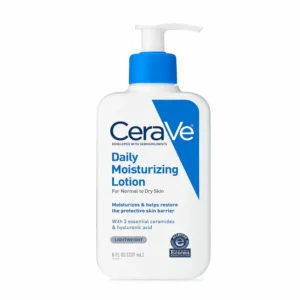
At night you can use a slightly richer moisturizer than during the day like CeraVe moisturizing Cream. Your skin is repairing itself overnight and a good moisturizer helps support that process and prevents water loss while you sleep.
If your skin is very dry, add a few drops of facial oil on top of your moisturizer as the final step. Facial oils seal in everything underneath and provide an extra layer of hydration overnight.
How to Identify Your Skin Type
Everything in your routine depends on knowing your skin type. Using the wrong products for your skin type is why most routines fail.
Here is the simplest way to identify your skin type. Wash your face with a gentle cleanser. Do not apply anything. Wait one hour. Then observe how your skin feels and looks.
Oily Skin
Your face looks shiny all over. Your pores appear large especially on your nose, forehead, and chin. Your makeup does not last. You break out regularly. Pakistan’s hot and humid climate makes oily skin worse in summer.
Dry Skin
Your skin feels tight after washing. It looks dull or rough. You may have flaky patches, especially around the nose and mouth. Your skin feels uncomfortable without moisturizer. Cold and dry winters in northern Pakistan make dry skin significantly worse.
Combination Skin
Your forehead, nose, and chin are oily but your cheeks feel normal or dry. This is the most common skin type in Pakistan. The T zone produces excess oil while the rest of the face needs hydration.
Sensitive Skin
Your skin reacts to new products easily. It gets red, itchy, or irritated without much reason. Fragrances, alcohol, and certain active ingredients cause stinging or burning. You need gentle fragrance free formulas.
Normal Skin
Your skin feels balanced and comfortable. It is not too oily or too dry. You rarely have breakouts or reactions. Most products work well for you. This is the easiest skin type to maintain.
Skin Care Routine for Each Skin Type
Once you know your skin type your product choices become much clearer.
Skin Care Routine for Oily Skin
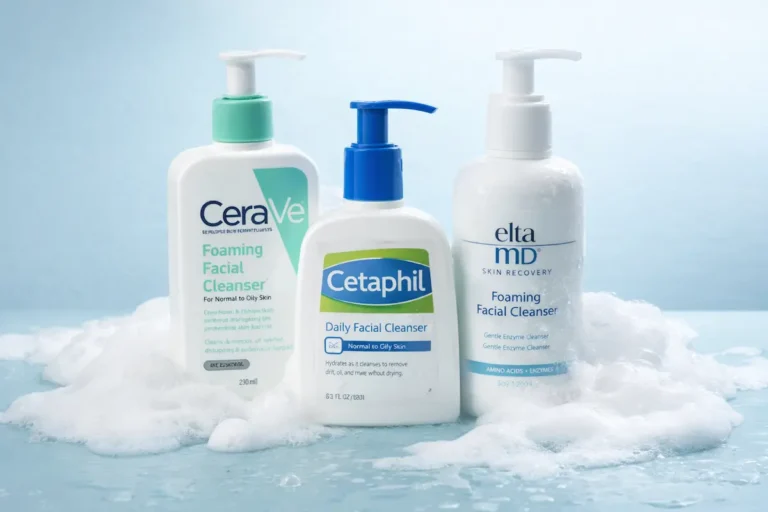
Oily skin needs lightweight non comedogenic products. Non comedogenic means the formula will not clog your pores. Your cleanser should be a foaming or gel formula. Your moisturizer should be gel based or water based, never a thick cream.
Niacinamide serum is excellent for oily skin because it regulates sebum production. If you break out regularly, salicylic acid cleanser or serum at night helps keep pores clear.
The biggest mistake people with oily skin make is over cleansing or skipping moisturizer. Both of these make oily skin worse not better.
Skin Care Routine for Dry Skin
Dry skin needs hydration at every step. Use a cream or lotion cleanser. Use a serum with hyaluronic acid. Moisturize with a rich cream containing ceramides and glycerin. In winter, layer a facial oil on top of your moisturizer at night.
Avoid hot water when washing your face. Hot water strips moisture from dry skin. Use lukewarm water instead.
Skin Care Routine for Sensitive Skin
Sensitive skin needs the most minimal routine. Use the fewest products possible. Every product should be fragrance free. Introduce one new product at a time and wait two weeks before adding another. Patch test everything on your inner arm before putting it on your face.
Avoid active ingredients like retinol and strong acids until your skin barrier is strong and stable.
Skin Care Routine for Combination Skin
Combination skin needs a balanced approach. Use a gentle gel or foaming cleanser that removes oil from the T zone without drying out your cheeks. Apply moisturizer to your whole face but use a lightweight gel formula. If your T zone gets very oily during the day you can apply a thin layer of moisturizer only on your cheeks at night. Niacinamide serum works well for combination skin as it controls oil in oily areas while being gentle enough for drier areas.
Skin Care Routine for Normal Skin
Normal skin is the easiest to maintain. Use a gentle cleanser, a lightweight moisturizer, and sunscreen every day. Your skin is balanced so you can experiment with serums based on your specific goals. Vitamin C for brightening, niacinamide for maintenance, or retinol for anti aging prevention. Avoid overcomplicating your routine. Normal skin can become sensitive or reactive if you use too many products at once.
The Correct Order to Apply Skin Care Products
The golden rule is simple. Go from thinnest to thickest texture. Thinner products absorb first. Thicker products seal everything in.
Morning Order
Cleanser
Toner (optional)
Serum
Moisturizer
Sunscreen
Night Order
Oil or balm cleanser (if double cleansing)
Foam or gel cleanser
Toner (optional)
Treatment serum
Moisturizer
Facial oil (optional)
Wait 30 seconds to one minute between each step. This gives each product enough time to fully absorb into your skin before the next one goes on top. Rushing through steps reduces how well each product works.
How Pakistan’s Climate Affects Your Skin Care Routine
Pakistan’s climate is extreme and varied. What works in Karachi in July does not work in Islamabad in January. Your routine needs to adjust with the seasons.
Summer in Pakistan
Summer in Pakistan is harsh. Temperatures go above 40 degrees in many cities. Humidity is high in coastal cities like Karachi. Dry heat dominates in cities like Multan and Lahore. Your skin produces more oil, sweats more, and gets more sun exposure.
In summer switch to lighter textures. Replace a cream moisturizer with a gel moisturizer. Use a matte finish or fluid sunscreen that does not feel heavy. Double cleanse at night to remove sweat and sunscreen properly. If you go outdoors, reapply sunscreen every two hours.
Reduce retinol and exfoliating acids like glycolic acid and salicylic acid in summer. Heat and high UV exposure make your skin barrier more sensitive and these ingredients increase that sensitivity further. Focus on vitamin C for antioxidant protection and keep your routine simple and lightweight.
Winter in Pakistan
Winter across Pakistan brings cooler temperatures and drier air. Cities like Islamabad, Peshawar, Quetta, and even Karachi experience cold dry winds that strip moisture from the skin. In northern regions like KPK and Gilgit Baltistan the cold is more intense. Dry indoor heating makes this worse everywhere.
In winter switch to richer moisturizers. Add a hydrating serum with hyaluronic acid if you do not already use one. Winter is actually the best time to increase your retinol frequency and use exfoliating acids like glycolic acid or lactic acid more regularly. Your skin barrier is more stable in cooler months and tolerates these actives much better. Keep sunscreen in your routine even in winter. UV rays are present year round.
Common Skincare Mistakes People Make in Pakistan
Even with good products these mistakes will stop your routine from working.
Washing your face too many times. More than twice a day strips your skin barrier and triggers more oil production and more breakouts. Once in the morning and once at night is enough.
Skipping sunscreen when you actually need it. Always wear sunscreen when going outside or sitting near a window with direct sunlight hitting your face.
Switching products too quickly. Most products need four to eight weeks before you see real results. Switching every two weeks means you never give anything a real chance. Patience is the most underrated part of skincare.
Expecting too much from one product. No single product can cleanse, hydrate, treat acne, fade dark spots, and prevent aging all at once. Every product has a specific job. Use it for that job and nothing else.
Expecting quick results. Skincare is not a one week fix. Vitamin C takes four to six weeks. Retinol takes three to six months. If you quit early you will never see what a product was actually capable of doing for your skin.
Using too many actives at the same time. Mixing retinol, vitamin C, glycolic acid, and salicylic acid together causes irritation and breaks down your skin barrier. Introduce one active at a time and rotate them on different nights.
Copying someone else’s routine. Your skin type, concerns, climate, and diet may be completely different from your friend’s. What works for them may make your skin worse. Build your routine around your own skin.
Using expired products. Check the PAO symbol on every product. It looks like an open jar with a number inside. A 12M means good for 12 months after opening. Expired products cause irritation and breakouts.
Frequently Asked Questions
What is the correct order of a skincare routine?
Apply products from thinnest to thickest. Morning order is cleanser, serum, moisturizer, and sunscreen. Night order is cleanser, serum, and moisturizer. If you use a toner apply it after cleansing and before your serum.
How many steps should a skincare routine have?
Three steps are the foundation for everyone. Cleanser, moisturizer, and sunscreen. Add a serum as a fourth step to target specific concerns like dark spots, acne, or early signs of aging.
Is sunscreen necessary every day in Pakistan?
Yes. If you are spending time outside apply sunscreen every single day without exception. Pakistan has high UV intensity throughout the year and sun exposure is the leading cause of pigmentation, premature aging, and dark spots. If you are at home with very minimal sun exposure and away from direct sunlight you can skip it.
If you are driving, UVA rays penetrate through car windows even when they are closed. UVA rays are responsible for pigmentation, dark spots, and premature aging. Always apply sunscreen before long drives.
How long does it take to see results from a skincare routine?
Most products need four to eight weeks of consistent use before showing visible results. Retinol takes three to six months. Do not switch products before giving them enough time to work.
Does oily skin need moisturizer?
Yes. Skipping moisturizer makes your skin produce more oil to compensate for dryness which leads to more shine and breakouts. Use a lightweight non comedogenic gel moisturizer instead of a thick cream.
Does hard water affect skin in Pakistan?
Yes. Most cities in Pakistan including Karachi, Lahore, and Islamabad have hard water with high mineral content. Hard water leaves a residue on your skin that can clog pores, cause dullness, and disrupt your skin barrier. If your skin feels rough or dull even after a good routine hard water could be a contributing factor. Using a gentle pH balanced cleanser and a moisturizer with ceramides helps protect your skin barrier.
Can I use besan or multani mitti with my skincare routine?
Both have some benefits but are alkaline and can disrupt your skin’s natural pH. Used too frequently they dry out your skin and weaken your skin barrier. If you enjoy using them limit to once a week maximum and always follow with a good moisturizer.
Are International Skincare Brands Available in Pakistan?
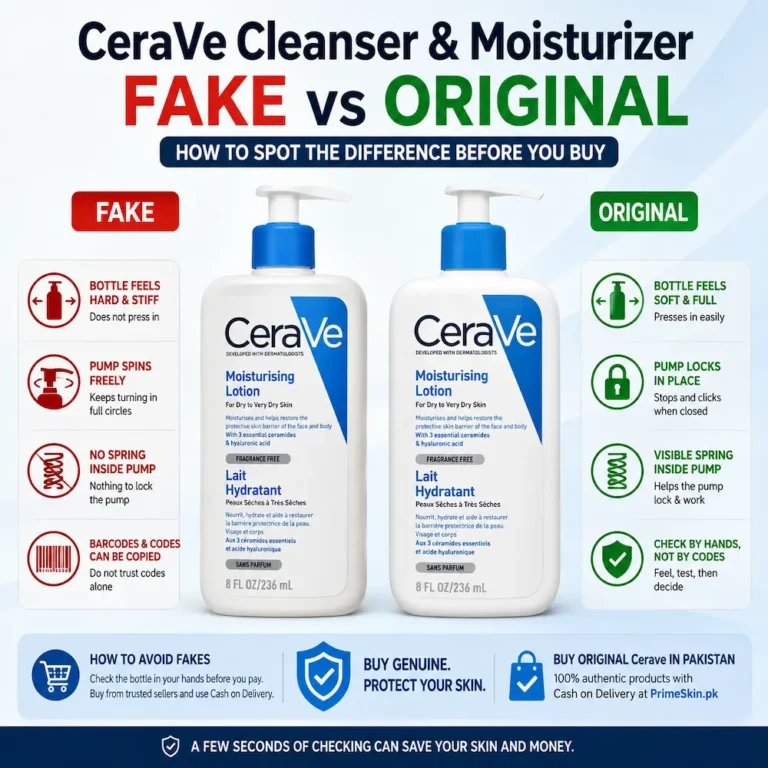
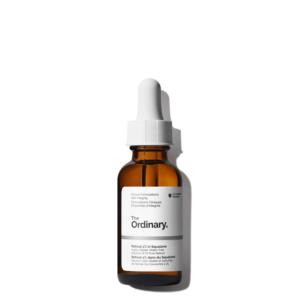
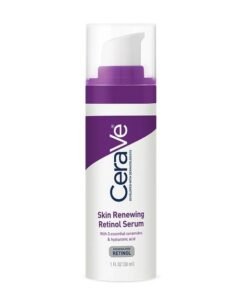
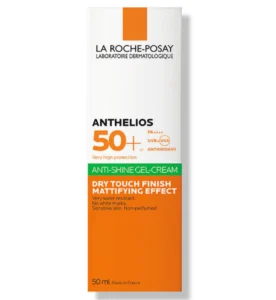
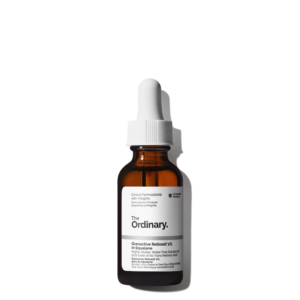
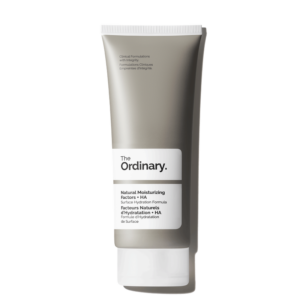
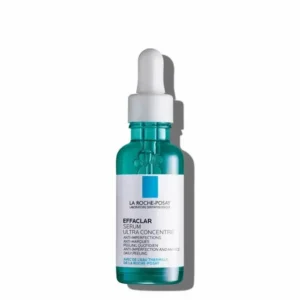
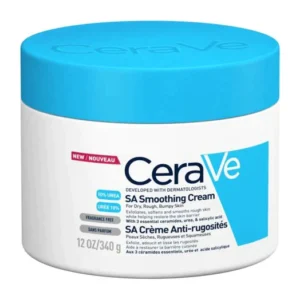
Yes. Brands like CeraVe, The Ordinary, Cetaphil, Anua, and La Roche Posay are available in Pakistan and delivered all over the country. However authenticity is a serious concern as counterfeit and expired products are common in local markets.
PrimeSkin.pk sources and delivers these international brands across Pakistan with 100% authentic, original, and fresh stock. Every order ships well before expiry. Before dispatch, PrimeSkin.pk shares product images on WhatsApp or email with customers so they can verify the packaging and confirm exactly what they are receiving before it arrives at their door.
Always buy from a verified source that can confirm authenticity. It protects your skin and ensures you are getting the real formula that actually delivers results.