
Cleansing is the starting point of any skincare routine that actually works. You can invest in the best serums and moisturizers, but if your skin is not cleansed properly, those products will never perform the way they should.
In a climate like Pakistan’s, where skin is exposed daily to dust, pollution, sweat, and sunscreen, proper cleansing becomes even more important.
In this guide, we break things down simply. You will understand what a cleanser really does, why cleansing matters, and how to cleanse your face properly without damaging your skin. These are everyday habits that make a visible difference over time.
What Is a Cleanser?
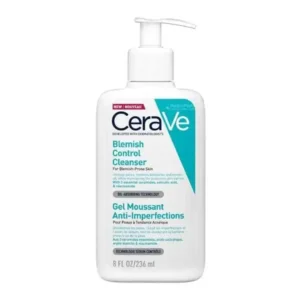
A facial cleanser is designed to remove the buildup that collects on your skin throughout the day and night. This includes oil, sweat, sunscreen, dirt, and environmental particles that water alone cannot wash away.
Unlike regular soap, a good cleanser works with your skin, not against it. It cleans while respecting the skin’s natural barrier. When cleansing is too harsh, skin often feels tight, uncomfortable, or irritated. When cleansing is skipped or done incorrectly, residue stays behind and can lead to clogged pores, breakouts, or dullness. The goal of a cleanser is balance, not aggression.
Why Proper Cleansing Matters
Cleansing is not just about looking fresh in the moment. It plays a long-term role in how healthy your skin stays.
When skin is cleansed properly:
- Oil and dirt do not get trapped in pores
- Breakouts become less frequent
- Skin texture feels smoother and more even
- Serums and moisturizers absorb more effectively
- The skin barrier stays stronger and more resilient
In simple terms, good cleansing allows the rest of your skincare routine to actually do its job.
How to Cleanse Your Face Properly (Step by Step)
Most people cleanse their face every day, yet many unknowingly make small mistakes that reduce the benefits. These steps keep cleansing effective and gentle.
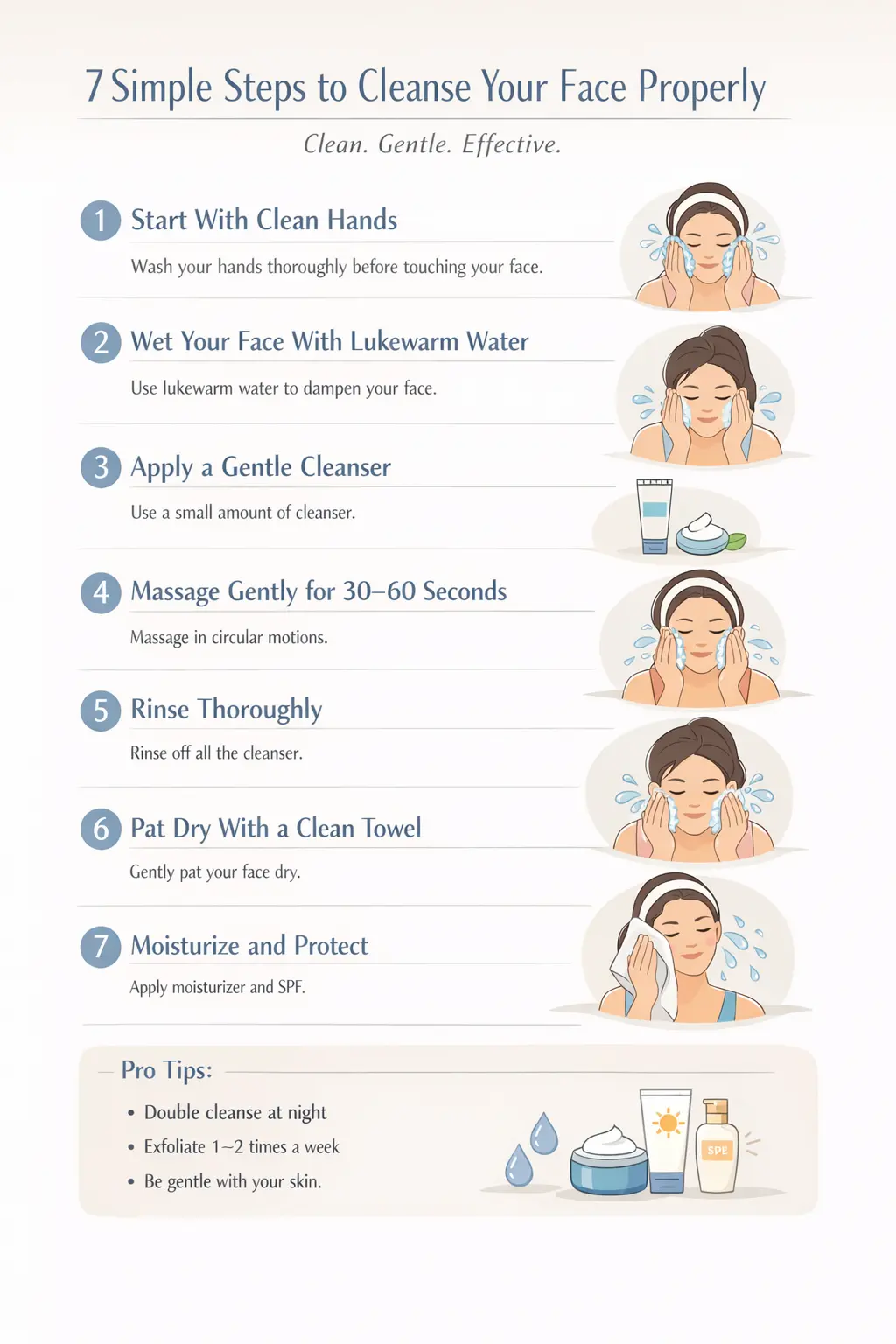
Step 1: Start with Clean Hands
Your hands touch many surfaces during the day. Washing them before cleansing prevents transferring bacteria and dirt directly onto your face.
Step 2: Use Lukewarm Water
Very hot water can weaken the skin barrier and leave the skin feeling dry or irritated. Lukewarm water cleans effectively while keeping the skin comfortable.
Step 3: Use a Small Amount of Cleanser
A pea-sized amount is enough for the entire face. Using more product does not improve results and may leave residue behind.
Step 4: Massage Gently
Using your fingertips, massage the cleanser onto your skin in slow, circular motions for about 30 to 60 seconds. Focus on areas like the nose, chin, and forehead, where buildup is more common. Cleansing should never feel rough or rushed.
Step 5: Rinse Thoroughly
Make sure no cleanser remains, especially around the jawline and hairline. Leftover residue can cause irritation or congestion.
Step 6: Pat Dry, Do Not Rub
After rinsing, gently pat your face dry with a clean towel. Rubbing can irritate the skin and cause unnecessary redness over time.
Step 7: Moisturize While Skin Is Slightly Damp
Cleansing removes impurities, but moisturizing restores comfort. Applying moisturizer when the skin is still slightly damp helps lock in hydration.
Morning vs Night Cleansing
Cleansing needs change depending on the time of day.
In the morning, cleansing helps remove overnight oil and refresh the skin before sunscreen or makeup.
At night, cleansing becomes essential. It removes sunscreen, pollution, makeup, and daily buildup. Skipping night cleansing often leads to clogged pores and tired-looking skin.
Some people prefer double cleansing at night, especially if they wear heavy sunscreen or makeup. This simply means removing buildup first, then following with a gentle cleanser to fully clean the skin.
Common Cleansing Mistakes to Avoid
Cleansing works best when it is gentle and consistent. However, some common habits can reduce the benefits of your cleanser or even cause skin problems over time. Avoid these mistakes to keep your skin healthy and balanced.
Do Not Cleanse with Unwashed Hands
Always wash your hands before touching your face. Cleansing with dirty hands can transfer bacteria, oil, and dirt onto your skin, which may lead to clogged pores, breakouts, or irritation. Clean hands allow your cleanser to remove impurities instead of adding new ones.
Do Not Scrub Too Hard
Cleansing should never feel aggressive. Scrubbing harshly or using too much pressure can irritate the skin and weaken its natural protective barrier. Gentle circular motions with your fingertips are enough to clean the skin effectively without causing damage.
Do Not Over-Cleanse
Washing your face too frequently can strip away natural oils and leave the skin dry or unbalanced. For most people, cleansing twice a day—morning and night—is sufficient. If you sweat heavily or exercise during the day, an extra gentle cleanse may help, but overdoing it can do more harm than good.
Do Not Use Very Hot Water
Hot water may feel relaxing, but it can dry out the skin and disrupt its moisture barrier. Lukewarm water is the best choice for cleansing, as it cleans effectively while keeping the skin comfortable.
Do Not Rub Your Face Dry
Facial skin is delicate. Rubbing it aggressively with a towel can cause irritation, redness, or sensitivity over time. After cleansing, gently pat your face dry with a clean towel to absorb excess water without stressing the skin.
Final Thoughts
Cleansing may seem like a simple step, but doing it properly can transform your skincare routine. Gentle cleansing, done consistently and correctly, helps keep the skin clear, comfortable, and ready for the next steps.
At PrimeSkin, we believe good skincare starts with understanding the basics. When cleansing becomes a mindful habit rather than a rushed step, your skin benefits every single day.
Consistency matters more than trends, and it all begins with how you cleanse your face.
Frequently Asked Questions
1. How do I use a cleanser on my face correctly?
Start with clean hands and a wet face. Apply a small amount of cleanser, gently massage it onto your skin in circular motions for about 30 to 60 seconds, then rinse thoroughly with lukewarm water and pat dry. Follow with moisturizer.
2. Can I use a cleanser every day?
Yes, most people can use a gentle cleanser daily. Cleansing once in the morning and once at night is usually enough to keep the skin clean without stripping its natural moisture.
3. How long should I massage cleanser on my face?
Around 30 to 60 seconds is ideal. This gives the cleanser enough time to break down dirt, oil, and sunscreen without irritating the skin.
4. Are face wash and cleanser the same thing?
They are often used interchangeably, but not always the same. Face washes usually have a foaming texture, while cleansers can be gel, cream, or lotion based. Both are meant to clean the skin gently when chosen correctly.
5. What is the correct order to clean your face?
First wash your hands, then wet your face, apply cleanser, massage gently, rinse thoroughly, and pat dry. After cleansing, apply moisturizer, and sunscreen in the morning.
6. Should I cleanse my face in the morning or only at night?
Both are important. Morning cleansing refreshes the skin and removes overnight oil, while night cleansing removes sunscreen, pollution, and dirt from the day. Night cleansing is especially important.
7. Can I use only a cleanser without moisturizer?
You can, but it is not ideal. Cleansing removes impurities, while moisturizer helps restore hydration and comfort. Skipping moisturizer may leave the skin feeling dry or tight over time.
8. What are the main benefits of using a facial cleanser?
A good cleanser removes dirt, oil, and buildup, helps prevent clogged pores, keeps skin feeling fresh, and prepares it to absorb other skincare products more effectively.
Related guides:
How to Use Moisturizer Properly: Benefits, Tips, and Common Mistakes