
Glycolic acid is a commonly used ingredient in skincare, especially in products designed to improve skin texture and overall clarity. It is valued for its ability to work on the surface of the skin, where it supports the natural process of skin renewal when used correctly.
Because glycolic acid is an active ingredient, understanding how it interacts with the skin is essential before adding it to a routine. Its effects can vary depending on skin type, concentration, and frequency of use. This article explains glycolic acid in a clear and practical way, focusing on how it works, the benefits it may offer, and how to use it safely while maintaining a healthy skin barrier.
What Is Glycolic Acid?
Glycolic acid is a water soluble alpha hydroxy acid derived from sugarcane. It belongs to a group of acids commonly used in skincare to support surface level skin renewal.
Compared to other alpha hydroxy acids, glycolic acid has a smaller molecular size, which allows it to penetrate the skin more easily. This characteristic makes it effective, but it also means that careful use is important, particularly for sensitive skin types or first time users.
In skincare formulations, glycolic acid is known for supporting the skin’s natural renewal process without relying on physical exfoliation.
How Glycolic Acid Works on the Skin
Glycolic acid works chemically by loosening the bonds that hold dead skin cells together on the surface of the skin.
These bonds normally allow dead cells to accumulate, which can lead to rough texture, dull appearance, and uneven tone. By weakening these connections, glycolic acid helps the skin shed old cells more efficiently.
Because of its small molecular size, glycolic acid is able to penetrate the outer layer of the skin more effectively than many other alpha hydroxy acids. This allows it to act directly where surface level cell buildup occurs, supporting a smoother and more refreshed appearance over time.
As the skin sheds dead cells more evenly, the renewal process becomes more balanced. This can improve how light reflects off the skin, contributing to a brighter and clearer look. With consistent and careful use, glycolic acid supports natural skin turnover without the need for physical exfoliation methods that may cause friction or irritation.
Benefits of Glycolic Acid for Skin
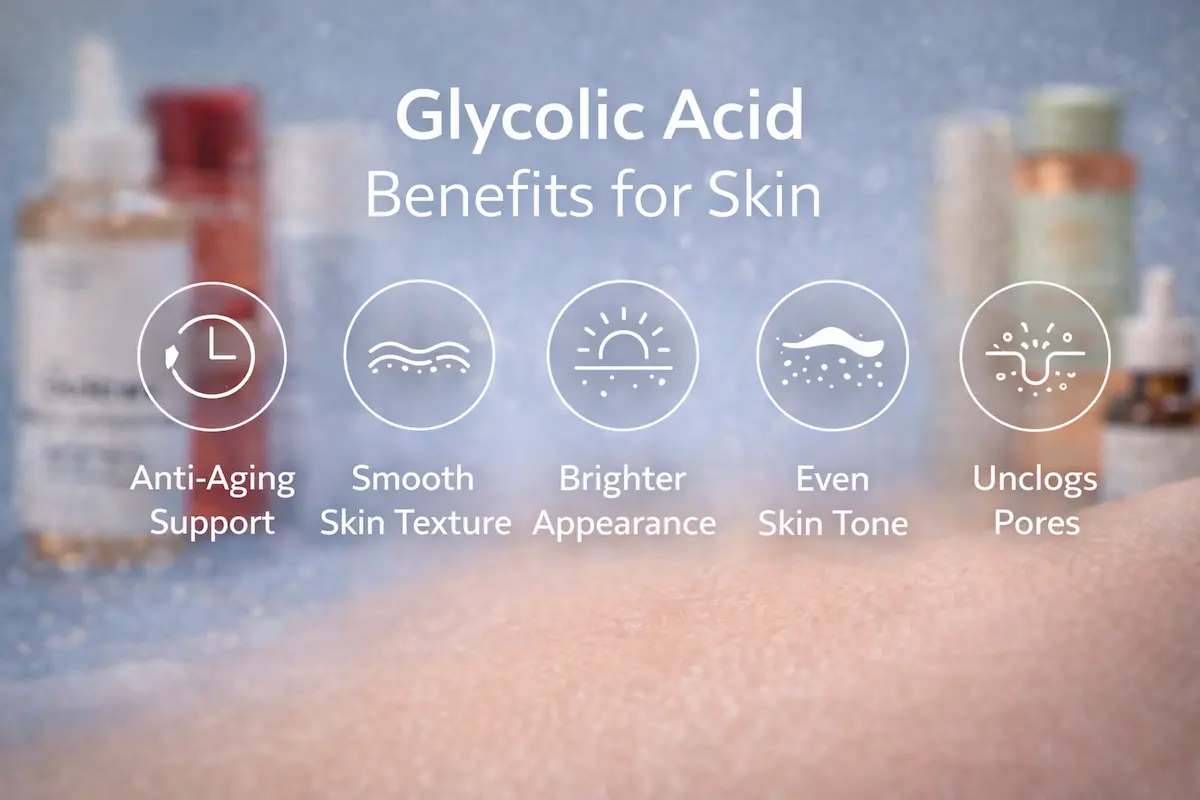
- Smoother skin texture
Glycolic acid helps remove built up dead skin cells from the surface of the skin, which can improve roughness and make the skin feel smoother and more even over time. - Brighter looking complexion
As dull surface cells are cleared away, light reflects more evenly from the skin, which can enhance overall brightness and clarity. - Reduced appearance of fine lines and early signs of aging
Consistent exfoliation with glycolic acid supports the natural renewal process of the skin, which may help soften the look of fine lines and early signs of aging on the surface. - Improved skin clarity and radiance
As congested and dull surface cells are cleared away, the skin can appear clearer and more radiant, with a fresher overall appearance. - Helps keep pores clear and supports acne prone skin
By preventing the buildup of dead skin cells that can block pores, glycolic acid may help reduce congestion and support clearer looking skin. - Supports better absorption of skincare products
When the outer layer of the skin is smoother and clearer, other skincare products may apply more evenly and absorb more effectively.
Common Uses of Glycolic Acid in Skincare
Glycolic acid is used in a variety of skincare products, with formulations designed for different skin needs and routines. The way it is used often depends on the product type and concentration.
- Toners
Glycolic acid is commonly found in exfoliating toners like (Ordinary Glycolic Acid 7% Exfoliating Toner) that are applied after cleansing. These products are designed to provide gentle surface exfoliation and help maintain smoother looking skin over time. - Cleansers
Some facial cleansers include glycolic acid in lower concentrations. In this form, it offers mild exfoliation while cleansing the skin, making it suitable for regular use in certain routines. - Serums and treatments
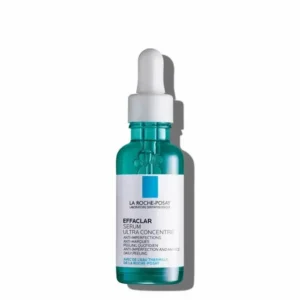
Glycolic acid is also used in leave on products such as serums or treatment solutions. These formulations like La Roche-Posay Effaclar Ultra Concentrated Serum are typically more concentrated and are intended to be used less frequently. - Chemical peels
Higher strength glycolic acid is used in professional or at home peel products. These are designed to provide more intensive exfoliation and are usually used under guidance or with caution. - Body care products
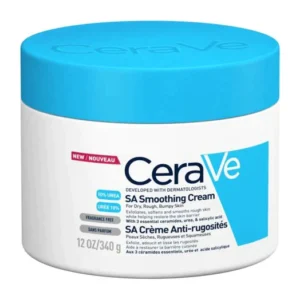
Glycolic acid is increasingly included in body lotions and toners to help improve rough texture on areas such as arms, legs, and other parts of the body.
How to Use Glycolic Acid Safely
- Start with a low concentration
If you are new to glycolic acid, begin with a lower strength product. This allows the skin to adjust gradually and reduces the risk of irritation. - Use it on clean, dry skin
Glycolic acid is typically applied after cleansing. The skin should be completely dry before application to help minimize sensitivity. - Limit how often you use it
Glycolic acid does not need to be used daily. Many people start with one to two applications per week and adjust frequency based on how their skin responds. - Avoid combining with strong active ingredients
Using glycolic acid alongside other strong exfoliating or resurfacing ingredients can increase the risk of irritation. Keeping the routine simple helps protect the skin barrier. - Apply moisturizer after use
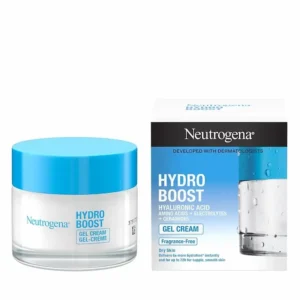
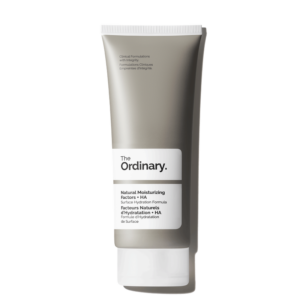
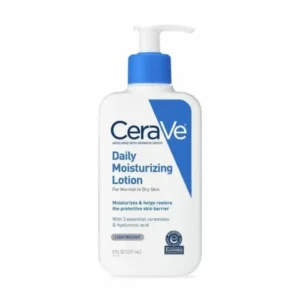
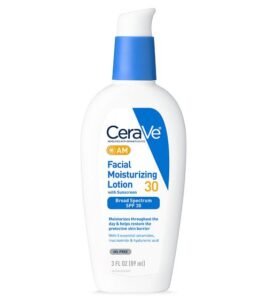
Following glycolic acid with a gentle moisturizer can help reduce dryness and support the skin barrier. - Use sun protection consistently
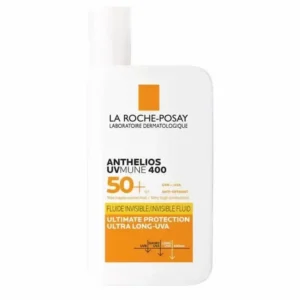
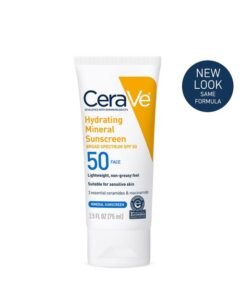
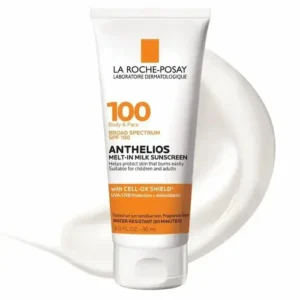
Glycolic acid can make the skin more sensitive to sunlight. Applying a broad spectrum sunscreen during the day is important to help protect the skin. - Perform a patch test before regular use
Testing the product on a small area of skin before full application can help identify potential sensitivity.
A note on seasons and sun exposure
Glycolic acid can make the skin more sensitive to heat and sunlight. During hotter months or summer weather, it is often better to reduce frequency to avoid irritation. In Pakistan, where temperatures and sun exposure can be intense, using glycolic acid at night and wearing sunscreen during the day becomes especially important.
Using Glycolic Acid on Different Body Areas
Glycolic acid is not limited to facial skincare. It is also used on various body areas where rough texture, dullness, or buildup of dead skin cells is common. Body skin is generally thicker than facial skin, which is why glycolic acid is often used differently on these areas.
Glycolic Acid for Underarms
On the underarm area, glycolic acid is commonly used to help improve skin texture and clarity. By reducing surface level buildup, it can help keep the skin feeling smoother and fresher. Because this area can be sensitive, products designed for gentle exfoliation are usually preferred.
Glycolic Acid for Legs
Glycolic acid is often used on the legs to help improve rough texture and uneven skin appearance. It can be especially helpful for skin that feels bumpy or looks dull due to dead cell buildup. Regular surface exfoliation may also support a smoother overall look.
Glycolic Acid for Arms and Body
On areas such as the arms, elbows, and other parts of the body, glycolic acid is used to help soften rough patches and improve skin smoothness. It is commonly found in body lotions and toning products formulated specifically for body use.
Can Glycolic Acid Be Used on the Whole Body
Glycolic acid can be used on larger body areas when the product is formulated for body care. Concentration, frequency, and skin tolerance play an important role, and body products are typically designed to be milder or used less frequently than facial treatments.
Possible Side Effects of Glycolic Acid
Like other exfoliating acids, glycolic acid can cause side effects in some individuals, especially when used too often or at higher strengths. Understanding these potential effects helps reduce the risk of skin irritation.
- Mild tingling or stinging
A slight tingling sensation can occur after application, particularly for first time users. This is often temporary and may lessen as the skin adjusts. - Dryness or flaking
By increasing surface exfoliation, glycolic acid can sometimes lead to dryness or peeling, especially if the skin barrier is already compromised. - Skin irritation or redness
Overuse or combining glycolic acid with other strong active ingredients may cause redness, discomfort, or sensitivity. - Increased sensitivity to sunlight
Glycolic acid can make the skin more sensitive to sun exposure. Without proper sun protection, this may increase the risk of sun related damage. - Over exfoliation
Using glycolic acid too frequently can weaken the skin barrier, leading to irritation, breakouts, or prolonged sensitivity.
Common Mistakes You Need to Avoid When Using Glycolic Acid
Even a good glycolic acid product can disappoint if it is not used the right way. Most problems come from how it is applied, not the ingredient itself.
1. Using it too often, too soon
Many people start using glycolic acid every day, thinking faster use means faster results. In reality, this is one of the quickest ways to irritate the skin. Glycolic acid needs time to work with the skin’s natural renewal process, especially in the beginning.
2. Mixing it with too many strong actives
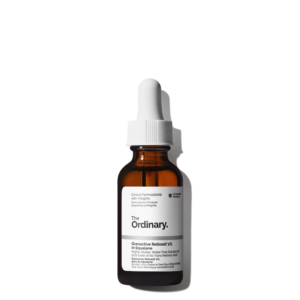
Combining glycolic acid with retinol or other exfoliating acids (like salicylic acid) can overwhelm the skin. Instead of improving texture, this often leads to redness, dryness, or sensitivity. Keeping the routine simple allows the skin to adjust and respond better.
3. Applying it on already irritated skin
Using glycolic acid on skin that is already inflamed, broken, or compromised usually makes things worse. When the skin barrier is not healthy, exfoliation can cause stinging and prolonged discomfort rather than benefits.
4. Skipping sunscreen the next day
Glycolic acid can increase sun sensitivity. Without sunscreen, progress can reverse quickly. In Pakistan, where sun exposure is strong for much of the year, skipping sunscreen while using glycolic acid can increase the risk of pigmentation and uneven tone.
5. Expecting instant results and pushing too hard
Glycolic acid does not work overnight. Increasing frequency too quickly in search of faster changes often cancels the benefits. Slow, consistent use delivers better results over time.
Who Should Go Slow or Be Extra Careful
Glycolic acid is not ideal for everyone. You may need to be cautious if you have:
Very sensitive skin
Rosacea or eczema
A damaged skin barrier
Active rashes or infections
If irritation, burning, or persistent redness appears, it is best to stop and allow the skin to recover before trying again.
How Long It Takes to See Results
Glycolic acid does not work overnight. In most routines:
Texture improvements may appear within a few weeks
Brightness and clarity develop gradually
Pigmentation improvement can take several months
Consistency matters more than frequency. Using glycolic acid gently over time produces better results than aggressive short-term use.
Choosing the Right Glycolic Acid Product
When selecting a glycolic acid product, it is important to consider both concentration and formulation. Lower strength products are generally better suited for beginners or sensitive skin types, while higher concentrations are often intended for experienced users or occasional use.
Glycolic acid is available in different formats, including toners, serums, cleansers, and body care products. Facial products are usually formulated to be gentler, while body products may be designed to address thicker skin and rough texture on areas such as arms and legs.
Choosing a product that aligns with skin type and experience level can help reduce the risk of irritation and improve overall results.
Final Thoughts
Glycolic acid is a widely used skincare ingredient known for supporting smoother texture, improved clarity, and a more even looking complexion when used correctly. Its effectiveness comes from its ability to work on the surface of the skin, making proper understanding and careful use especially important.
By learning how glycolic acid works, recognizing its benefits, and following safe usage practices, it can be incorporated into a skincare routine in a balanced and thoughtful way. As with any active ingredient, consistency and moderation play a key role in maintaining healthy looking skin over time.
Frequently Asked Questions About Glycolic Acid
Is it good to use glycolic acid daily?
Daily use depends on the concentration, product type, and skin tolerance. Low-strength formulas with 1–5% glycolic acid, often found in cleansers or gentle toners, may be used daily if the skin tolerates them well. Products with 5–10% or higher concentrations, typically serums, creams, or peels, should be used less often, around two to three times a week. Using stronger formulas daily can cause over-exfoliation and increased skin sensitivity.
What does glycolic acid do for your face?
Glycolic acid helps remove dead skin cells from the surface of the skin, which can improve texture and brightness. With regular and careful use, it can also support clearer looking skin and a more even appearance.
What should I avoid when using glycolic acid?
It is best to avoid combining glycolic acid with other strong exfoliating or resurfacing ingredients in the same routine. Excessive sun exposure without protection should also be avoided, as glycolic acid can increase skin sensitivity to sunlight.
What are the side effects or risks of glycolic acid?
Some people may experience dryness, mild irritation, or redness, especially when starting or using higher concentrations. Overuse can weaken the skin barrier, which is why moderation is important.
What is the best age to start using glycolic acid?
Glycolic acid is often introduced in early adulthood, usually in the early twenties, when concerns such as dullness, uneven texture, or surface congestion begin to appear. However, age alone does not determine whether glycolic acid is suitable. A dermatologist may recommend its use earlier or later depending on individual skin condition and concerns. Younger skin generally does not require strong exfoliating acids unless advised by a professional.
Should I use glycolic acid serum or cream?
Serums and toners are often lighter and more concentrated, making them suitable for targeted exfoliation. Creams or lotions may feel gentler and are often preferred for dry or sensitive skin types, especially on the body.
Do I apply moisturizer after glycolic acid?
Yes, applying a moisturizer after glycolic acid helps reduce dryness and supports the skin barrier. This step is important to keep the skin balanced and comfortable.
What is the best time to apply glycolic acid?
Glycolic acid is usually applied in the evening as part of a nighttime routine. This helps reduce the risk of sun sensitivity and allows the skin to recover overnight.
How long does glycolic acid take to work?
Some improvements in skin smoothness and brightness may be noticed within a few weeks. More visible changes often develop gradually with consistent and appropriate use.
Why does my skin break out after using glycolic acid?
In some cases, glycolic acid can cause temporary breakouts as the skin adjusts and surface buildup is cleared. This usually settles with time, but persistent irritation may indicate overuse.
Who should not use glycolic acid?
People with very sensitive skin, active skin conditions, or a damaged skin barrier may need to avoid glycolic acid. It is also best to consult a professional before use during pregnancy or breastfeeding.
Can glycolic acid be used with other active ingredients?
Glycolic acid can be used alongside gentle hydrating ingredients, but caution is needed with strong actives. Keeping routines simple helps reduce the risk of irritation and over exfoliation.
Is glycolic acid good for anti-aging?
Glycolic acid can support anti-aging by improving skin texture and reducing dull surface buildup that makes fine lines look more noticeable. With regular, gentle use, skin often appears smoother and more refreshed over time. It does not stop aging, but it helps the skin renew itself more evenly. For best results, it should be paired with good moisturization and daily sun protection.
Also Read:
What Is Retinol & How to Use It Safely
What Are Ceramides? Benefits, Types, and How They Support Healthy Skin