
If you have ever searched for “how to reduce dark circles under eyes permanently,” you have likely seen a lot of miracle promises that don’t deliver. In Pakistan, our skin faces intense sun, high pollution, and often, high-stress lifestyles. These factors make dark circles look worse — but not all dark circles are the same.
To get rid of them, you first need to understand which of the three types you actually have. Applying the wrong product to the wrong type of circle is the number one reason people do not see results.
Identifying the specific cause of your dark circles is the first step in regaining a bright, refreshed appearance. In this guide, we explore the different types of dark circles, the ingredients that actually work, and a simple routine to manage them effectively.
What are Dark Circles?
Dark circles are characterized by visible darkness, dullness, or puffiness in the delicate area beneath the eyes. Depending on your skin tone and the underlying cause, they can appear as blue, purple, brown, or even black discoloration.
Common Types of Dark Circles:
Pigmented Dark Circles:
These appear as a brownish, uneven tone. They are very common in South Asian skin tones due to higher natural melanin levels. These do not fade when the skin is gently pressed.
Vascular Dark Circles:
These have a blue or purple hue. They are caused by blood vessels showing through thin skin and are often more visible when you are fatigued or dehydrated.
Structural Dark Circles:
These are caused by a “hollow” or sunken appearance (the tear trough). This creates a shadow under the eye, which can often be mistaken for actual skin pigmentation.
The 30-Second “At-Home” Test
Before choosing a treatment, you must identify your type. Follow these steps carefully:
The Stretch Test (For Vascular): Gently stretch the skin under your eye. If the color becomes less visible, your circles are likely vascular (blood vessels).
The Pinch Test (For Pigmented): Using the pads of your fingers, very lightly lift a small fold of skin. If the brown color moves with the skin and stays brown, it is pigmentation.
The Light Test (For Structural): Look in a mirror and tilt your head up toward a light. If the dark circle disappears, it was a shadow caused by your facial structure.
What Causes Dark Circles Under Your Eyes?
Whether you develop dark circles or puffiness depends on your genetics, but in Pakistan, our lifestyle and the intense climate play a huge role. Here are the most common reasons:
Sleep Deprivation: This is the most common cause of blue or purple vascular circles. Lack of rest makes your skin look pale, which allows the dark blood vessels underneath to show through more clearly.
Intense Sun Exposure: In our local climate, the sun is very strong. Excessive UV exposure triggers your skin to produce more melanin, leading to brown “pigmented” circles that don’t fade with sleep.
The Aging Process: As we get older, our skin naturally loses collagen and becomes thinner. This thinning leads to “structural” dark circles, where the area looks hollow or sunken.
Genetics: Sometimes, your DNA simply makes you more likely to have deep-set eyes or skin that naturally produces more pigment in that area.
Allergies and Rubbing: Allergies like hay fever can make you rub your eyes frequently. This constant friction can damage tiny blood vessels and darken the skin over time.
Lifestyle Factors: High salt intake, dehydration, and chronic stress all contribute to fluid retention and dilated blood vessels, making “tired eyes” look like a permanent feature.
Which Ingredients Help Reduce Dark Circles?
Managing dark circles requires ingredients that focus on hydrating, strengthening, and brightening the skin.
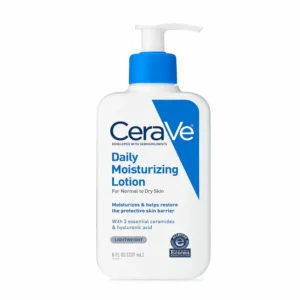
Ceramides
These support the skin’s moisture barrier, making the thin skin around the eyes more resilient and less prone to puffiness.
Niacinamide (Vitamin B3)
Niacinamide Helps brighten the skin and supports the natural moisture barrier to diminish the appearance of hyperpigmentation.
Peptides
These “signal” the skin to produce more collagen, helping to firm the eye area and reduce the look of hollow shadows.
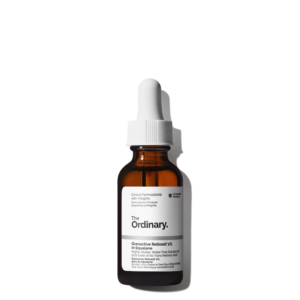
Retinal (Retinaldehyde): A potent form of Vitamin A that speeds up cell renewal. It is the gold standard for fading pigmented dark circles and smoothing fine lines.
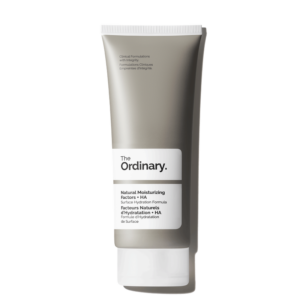
Hyaluronic Acid: Since dehydration is a major cause of dullness, this ingredient locks in moisture to “plump” the under-eye area.
Your Step-by-Step Under-Eye Routine
Step 1: Gentle Cleansing
The skin under the eyes is extremely thin. Avoid harsh rubbing. Use a hydrating cleanser to remove dirt and sunscreen without stripping the skin’s moisture.
Step 2: Targeted Treatment
Apply a specialized eye cream or serum.
For hydration and barrier support, use a Ceramide-based eye cream.
For advanced brightening and aging concerns, use a Retinal-based eye serum at night.
Application Tip: Use your ring finger to “tap” small dots around the orbital bone. Do not pull the skin.
Step 3: Daily SPF Protection
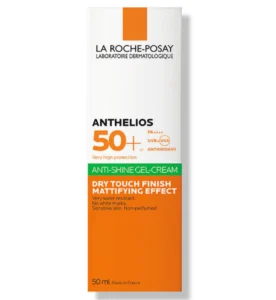
In Pakistan, UV exposure is a leading cause of pigmented dark circles. Always apply a broad-spectrum sunscreen up to the eye area every morning to prevent the darkness from deepening.
Choosing the Right Product for Your Type for Your Dark Circles
For All Types and Puffiness: The Ordinary Multi-Peptide Eye Serum
The Ordinary Multi-Peptide Eye Serum is the best all-rounder if you have a mix of dark circles, fine lines, and morning puffiness. Peptide technologies like Palmitoyl Tripeptide-38 and Caffeine strengthen thin skin, reduce fluid retention, and brighten the eye area. The lightweight water-based texture absorbs quickly without feeling heavy in Pakistan’s humidity.
For Thin Skin & Blue Circles: CeraVe Eye Repair Cream
If your circles are vascular, this cream uses three essential ceramides and hyaluronic acid to “plump” and thicken the delicate protective barrier. By creating a deep hydration cushion, it makes the underlying blue blood vessels much less visible through the skin. It is best used as the final step of your nighttime routine to deeply repair and soothe tired, dry eyes.
For Stubborn Brown Marks: Beauty of Joseon Revive Eye Serum
This advanced treatment combines Ginseng and Retinal to aggressively target deep pigmentation by speeding up skin cell renewal. Retinal is a potent Vitamin A derivative that works significantly faster than standard retinol to fade dark marks and firm the skin. Because it is powerful, start by using it only 2–3 nights a week and always apply SPF the following morning to protect your results.
Lifestyle and diet tips that help reduce dark circles
Skincare products work best when your daily habits aren’t fighting against them.
In Pakistan’s intense climate, small changes to your routine can significantly reduce the appearance of tired eyes and puffiness.
Here are four ways to help your under-eye area recover:
Master Your Sleep Schedule
While lack of sleep makes your skin look pale and highlights dark veins, oversleeping can actually increase puffiness. Aim for a consistent routine and try sleeping with your head slightly raised; this helps prevent fluid from settling under your eyes overnight.
Keep Your Hydration Levels Up
When you are dehydrated, the skin under the eyes looks “sunken” and the blood vessels become more obvious. Drinking 8–10 glasses of water daily keeps that delicate skin looking plump, hydrated, and naturally brighter.
Monitor Salt and Sugar Intake
High levels of salt and sugar cause your body to hold onto excess water, leading to the “swollen” look under the eyes. Alcohol also dehydrates the skin, making fine lines and dark circles look deeper. Reducing these in your diet will help keep your face looking lean and fresh.
Give Your Eyes a Break
Constant staring at digital screens causes the blood vessels around your eyes to enlarge, leading to vascular dark circles. Try to limit screen time, especially before bed, to reduce eye strain and give the surrounding tissue a chance to rest.
Also Read: How to Reduce Dark Spots on Face: Causes, Treatments & Best Skincare Solutions in Pakistan