
Choosing skincare products should not feel confusing, yet many people struggle to find products that actually work for their skin. With so many cleansers, serums, and moisturizers available, it is easy to buy products based on trends, recommendations, or packaging rather than real skin needs. This often leads to irritation, breakouts, or no visible results at all.
Effective skincare does not depend on using many products or expensive formulas. It starts with understanding your skin type and choosing products that support how your skin naturally behaves. When the right products are used in the correct way, even a simple routine can improve skin texture, balance oil, reduce dryness, and maintain overall skin health.
In this guide, we explain how to choose skincare products in a clear and practical way, keeping everyday skin concerns and local climate conditions in mind, especially for people living in Pakistan. By the end of this article, you will understand how to identify your skin type, select suitable products, and build a routine that is simple, effective, and easy to maintain.
Why Choosing the Right Skincare Products Matters
Using the wrong skincare products can do more harm than good. Products that are not suited to your skin type or are too harsh can damage the skin barrier, while heavy formulas may clog pores and lead to breakouts. Many skin issues such as acne, dullness, redness, and dryness are not caused by a lack of products, but by using unsuitable ones.
When you choose products based on your skin type and needs, your skin becomes more stable. Oil production balances out, dryness improves, and sensitivity reduces. This also means fewer products are needed, and results become more consistent over time.
How to Identify Your Skin Type
Before buying any skincare product, you must understand your skin type. Skin types usually fall into five main categories.
Normal Skin
Normal skin feels balanced and comfortable. It is not overly oily or dry, has a smooth texture, and rarely reacts to products. Breakouts are occasional rather than frequent.
Oily Skin
Oily skin produces excess oil, especially on the forehead, nose, and chin. It often appears shiny and is more prone to clogged pores, blackheads, and acne.
Dry Skin
Dry skin lacks moisture and may feel tight or rough. It can appear flaky and may become irritated easily, especially after cleansing.
Combination Skin
Combination skin shows both oily and dry characteristics. The center of the face may feel oily, while the cheeks feel normal or dry.
Sensitive Skin
Sensitive skin reacts easily to products and environmental changes. It may experience redness, stinging, itching, or burning, even with mild formulas.
Understanding your skin type helps you avoid products that can worsen your concerns.
Look Beyond Labels When Choosing Products
Many products are labeled for oily, dry, or sensitive skin, but labels alone are not enough. Two products labeled for the same skin type can work very differently.
Read the Ingredients List
Ingredients are listed in order of concentration. Focus on the first few ingredients, as they make up most of the formula. Learn which ingredients support your skin and which ones commonly cause irritation for you.
Be Careful With Big Claims
Terms like instant glow, miracle cure, or overnight results are marketing language. Effective skincare improves the skin gradually and consistently, not instantly.
Check Product Freshness
Always check the expiration date. Using expired products can reduce effectiveness and increase the risk of irritation.
Choosing Products Based on Your Skin Type
Once you understand your skin type, selecting products becomes much easier.
For Oily or Acne Prone Skin
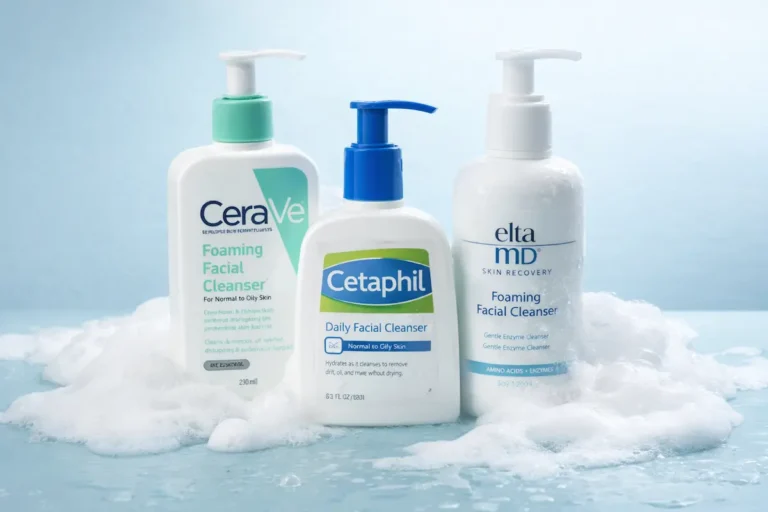
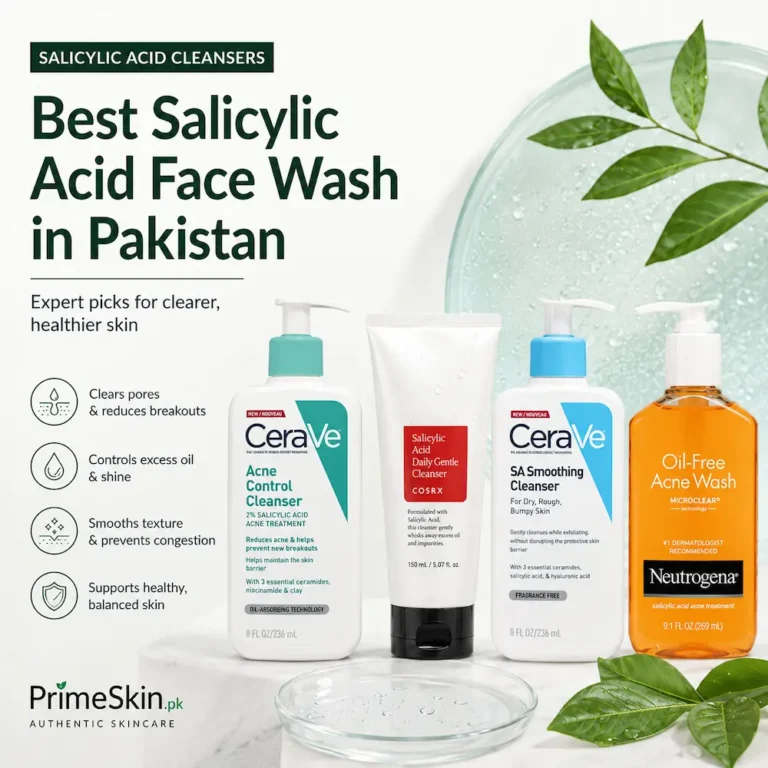
Look for lightweight, non comedogenic formulas. Ingredients like salicylic acid and niacinamide like ordinary niacinamide serum help control oil and reduce breakouts. Avoid heavy creams and overly harsh cleansers, as they can trigger more oil production.
For Dry Skin
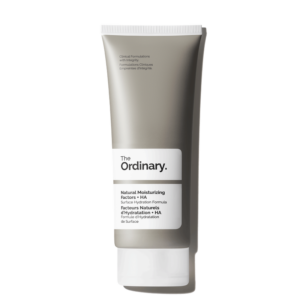
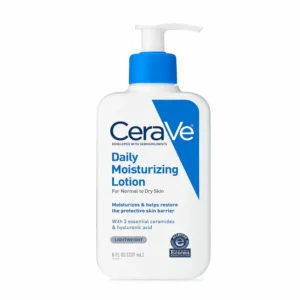
Choose products that focus on hydration and barrier repair. Ingredients such as ceramides, glycerin, and hyaluronic acid help retain moisture. Avoid frequent exfoliation and alcohol based products.
For Combination Skin
Use balanced products that do not overly dry or overly hydrate. You may need different textures for different areas of the face, especially during seasonal changes.
For Sensitive Skin
Keep your routine minimal. Choose fragrance free formulas and introduce new products slowly. Patch testing before full use can help prevent reactions.
Understanding Ingredients That Actually Help
You do not need to memorize long ingredient lists. Focus on what your skin needs.
If your skin feels dry and tight, look for ingredients that support hydration and the skin barrier.
If your skin breaks out easily, look for ingredients that help unclog pores and calm inflammation.
If your skin looks dull or uneven, gentle exfoliating or brightening ingredients may help when used correctly.
You can explore ingredient focused guides such as niacinamide, salicylic acid, or retinol to understand how and when to use them safely.
Common Skincare Mistakes to Avoid
Many people struggle with skincare not because of bad products, but because of common mistakes.
Over cleansing can strip the skin and cause irritation.
Using too many active ingredients at once can damage the skin barrier.
Skipping moisturizer for oily skin can lead to increased oil production.
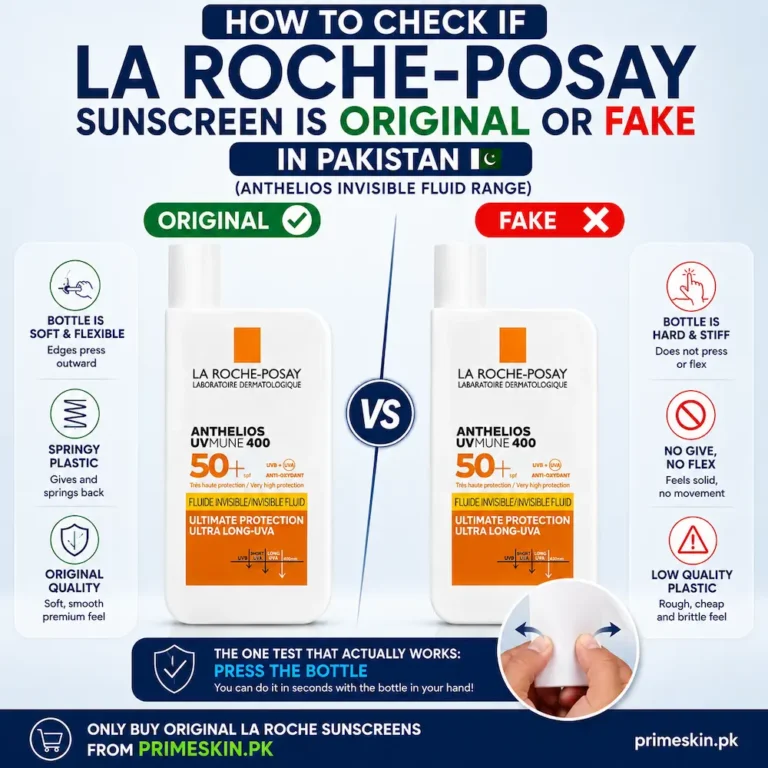
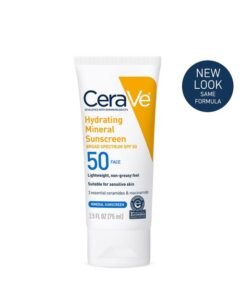
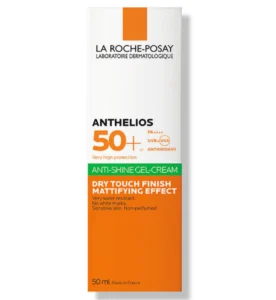
Inconsistent sunscreen use can undo the benefits of the rest of your routine.
Avoiding these mistakes often improves results more than adding new products.
How to Build a Routine Without Overbuying
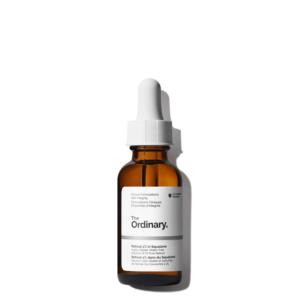
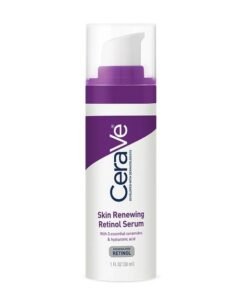
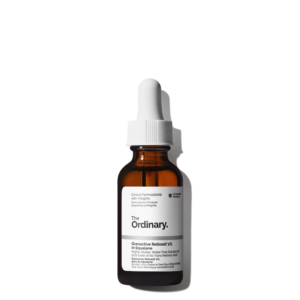
Start with the basics and give products time to work. Introduce one new product like retinol for anti aging at a time so you can understand how your skin reacts. A simple routine followed consistently works better than a complex routine used occasionally.
As your skin improves, you can adjust products slowly based on changing needs, seasons, or concerns.
When to Seek Professional Advice
If you experience persistent acne, severe sensitivity, or pigmentation that does not improve with basic care, consulting a dermatologist can be helpful. Professional guidance ensures that treatments are safe and appropriate for your skin condition.
Final Thoughts
Choosing the right skincare products is not about chasing trends or copying routines. It is about understanding your skin, selecting suitable products, and using them consistently. With a thoughtful approach, skincare becomes simpler, more effective, and easier to maintain over time.
Frequently Asked Questions
How do I know which skincare products to use?
Start by identifying your skin type and main concern, such as dryness, acne, or sensitivity. Choose products that match your skin’s behavior instead of following trends or copying routines from others.
What are the five basics of skincare?
The five basics of skincare are cleansing, moisturizing, sun protection, exfoliation, treatment products such as serums, and consistency. Not everyone needs all five daily, but cleansing, moisturizing, and sunscreen are essential for most people.
Should I use a serum or moisturizer?
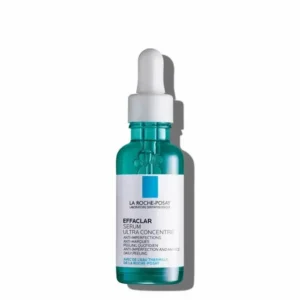
A serum treats specific skin concerns like acne, dullness, or fine lines, while a moisturizer helps seal in hydration and protect the skin barrier. Most routines work best when both are used, with serum applied before moisturizer.
Is using multiple serums too much?
Using too many serums at once can irritate the skin and reduce effectiveness. It is usually better to use one or two targeted serums rather than layering several products together.
What are common skincare mistakes people make?
Common mistakes include over cleansing, skipping moisturizer for oily skin, using too many active ingredients, and not wearing sunscreen regularly. These habits can weaken the skin barrier and slow down results.
What are the four basics of skincare?
The four basics are cleansing, moisturizing, sun protection, and gentle exfoliation. When these steps are done correctly and consistently, most skin concerns become easier to manage.
What should I avoid when choosing skincare products?
Avoid products with harsh formulas, unrealistic claims, or ingredients that repeatedly irritate your skin. Using products not suited to your skin type is one of the biggest reasons skincare routines fail.
Also Read: