Sunscreen is one of those skincare products that almost everyone owns, but not everyone uses correctly. Many people apply it occasionally, use too little, or skip it on busy days, without realizing that consistency and proper use are what make sunscreen truly effective.
Daily sun exposure happens more often than we think. It is not limited to beach days or long outdoor activities. Simple routines like commuting, running errands, or sitting near windows can slowly affect the skin over time. In places with strong sunlight and long daylight hours like Pakistan, using sunscreen properly becomes even more important for maintaining healthy skin.
This guide focuses on the real benefits of sunscreen and explains how to use it correctly in a simple and practical way.
How to Use Sunscreen in a Daily Skincare Routine
- Wash your face with your regular face wash to remove oil, sweat, and anything left from the night
- Pat your skin dry with a clean towel. Do not rub, because damp or irritated skin can react more easily
- If your skin feels dry or tight, apply a light layer of moisturizer and give it a minute to absorb
- If your skin is oily or already feels comfortable, you can skip moisturizer and go straight to sunscreen
- Take enough sunscreen for both your face and neck, as most people use far less than needed
- Dot the sunscreen across your face first, then gently spread it instead of rubbing everything in one spot
- Do not forget the neck, jawline, and around the ears. These areas get sun too and tend to age faster
- Let the sunscreen sit on your skin for a few minutes before applying makeup, if you plan to use any
- Try to apply sunscreen ten to twenty minutes before going outside so it can settle properly on the skin
- Make this a morning habit, not something you only do on very sunny days
How Much Sunscreen Should You Apply?
Using too little sunscreen is one of the most common mistakes people make.
For the face and neck, the easiest way to measure sunscreen is the two finger rule. Squeeze a line of sunscreen along your index and middle finger. This amount is generally enough to give the level of protection written on the bottle.
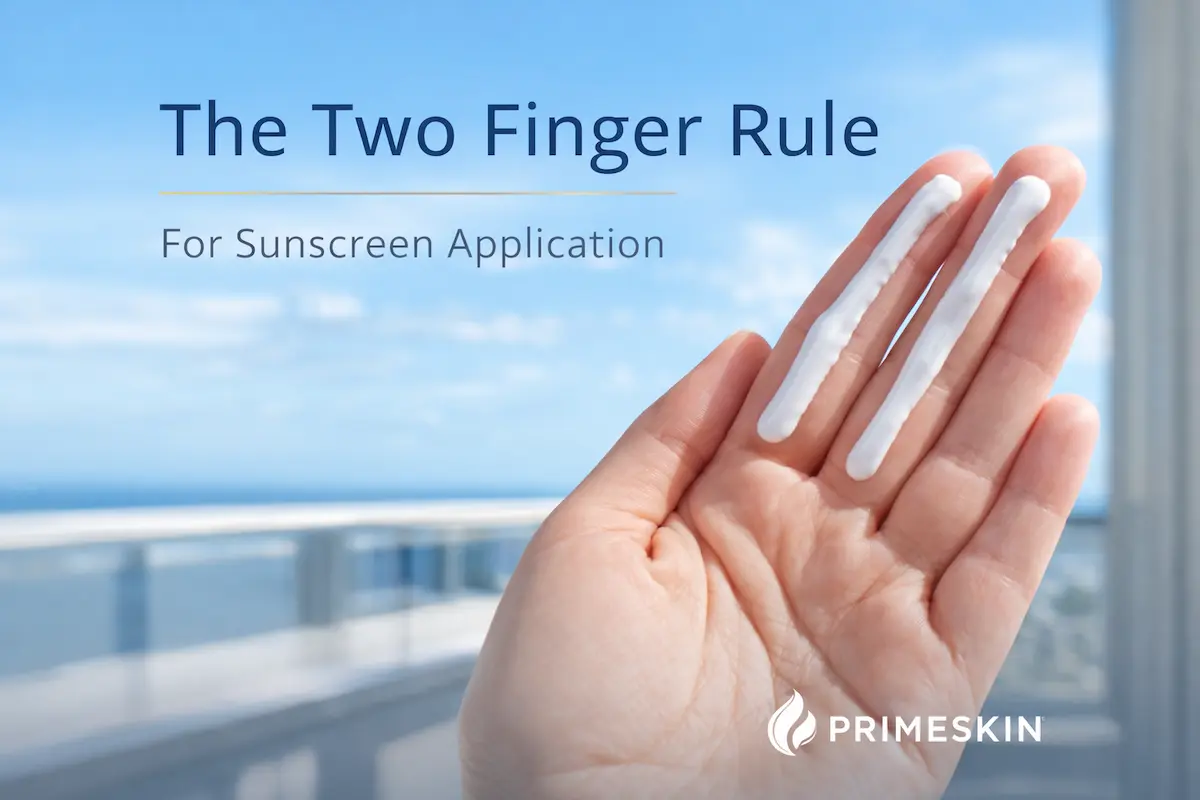
If that feels confusing, you can think of it as roughly a quarter teaspoon for the face and neck. At first, this amount may feel heavy, especially if you are not used to wearing sunscreen.
That said, comfort also matters. If you are not comfortable with the recommended amount, apply a slightly smaller quantity rather than skipping sunscreen altogether. Some protection is always better than none. The key is to apply it evenly and make sunscreen a habit you can maintain every day.
Do not forget areas like the sides of the face, jawline, ears, and neck, as these spots are often exposed and easily missed.
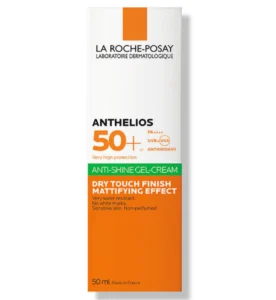
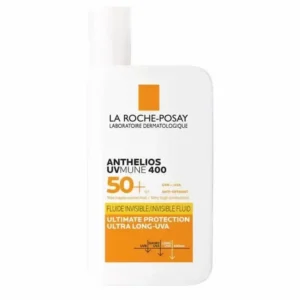
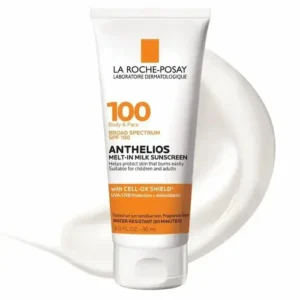
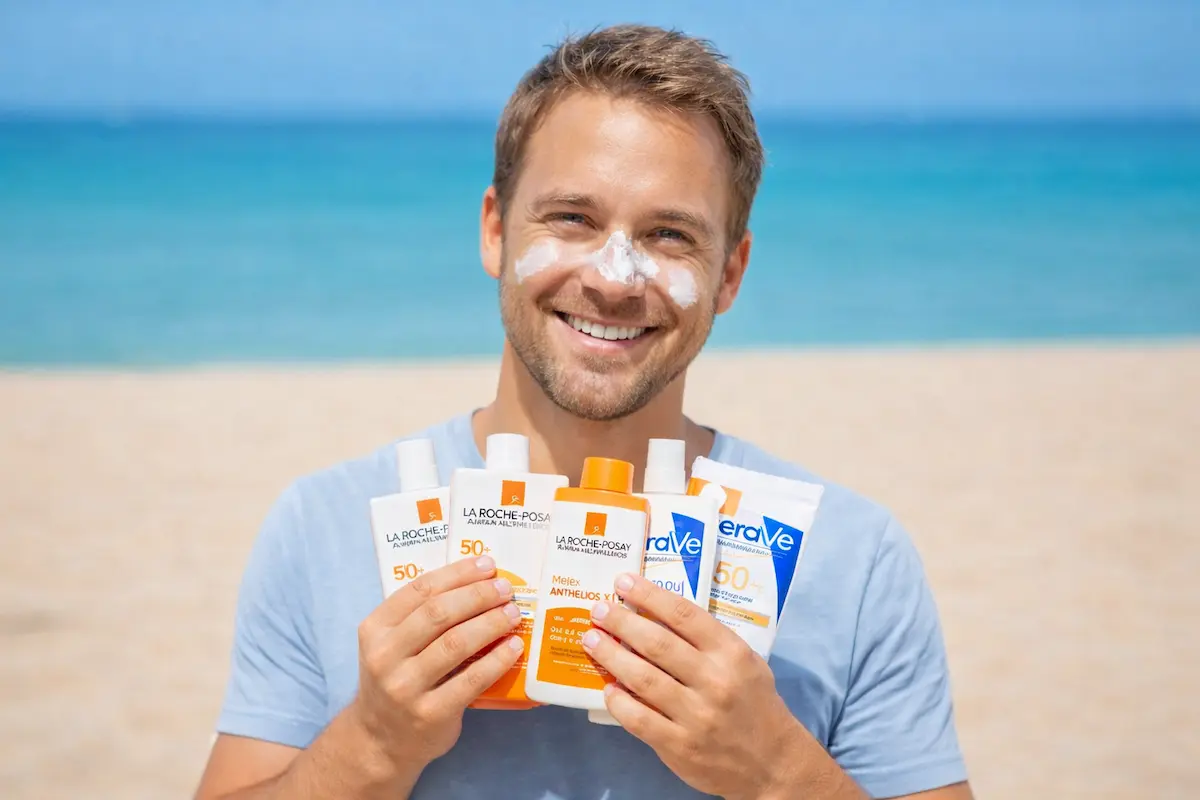
Lightweight formulas like La Roche-Posay Anthelios are often preferred for daily use because they feel comfortable on the skin.
How Often Should You Reapply Sunscreen?
Sunscreen does not last all day with a single application.
If you spend extended time outdoors, reapplying every two to three hours helps maintain protection. Activities like sweating, wiping the face, or touching the skin frequently can reduce effectiveness.
For everyday routines, reapplication may depend on sun exposure, but being mindful of it helps improve overall results.
Benefits of Using Sunscreen Daily
1. Protects the skin from daily sun damage.
Sun exposure adds up slowly, even on days that do not feel very sunny. Using sunscreen daily helps reduce the damage that builds over time from regular outdoor exposure.
2. Helps prevent dark spots and uneven skin tone.
Sunlight can trigger pigmentation and discoloration. Consistent sunscreen use helps keep the skin tone more even and reduces the chance of new dark spots forming.
3. Slows down visible signs of skin ageing.
Fine lines and loss of firmness are often linked to long term sun exposure. Sunscreen helps protect the skin and slow these changes when used regularly.
4. Supports the skin barrier and keeps skin comfortable.
Protected skin feels less dry, tight, or irritated. Sunscreen helps reduce stress on the skin, allowing it to stay more balanced throughout the day.
5. Reduces sun related sensitivity and redness.
Regular sun exposure can make the skin more reactive. Sunscreen helps keep the skin calmer and less prone to discomfort caused by sunlight.
6. Improves how well other skincare products work.
Skincare products show better results when the skin is protected. Sunscreen helps prevent sun exposure from undoing the progress made by serums and treatments.
7. Helps maintain smoother skin texture over time.
Sun damage can make the skin look rough or uneven. Daily sunscreen use supports a smoother and healthier looking skin surface.
8. Protects areas that show ageing first.
Areas like the face, neck, and jawline are exposed every day. Using sunscreen consistently helps protect these areas, which often show signs of ageing earlier.
These benefits develop gradually. The real results of sunscreen come from using it every day, not just on special occasions or very sunny days.
Possible Skin Reactions from Sunscreen and How to Avoid Them
- Mild stinging or burning.
This can happen on sensitive skin. Avoid fragrance and alcohol-heavy formulas. - Breakouts or clogged pores.
These are usually caused by heavy textures. Choose lightweight or non-comedogenic sunscreens and cleanse properly at night. - Redness or itching.
This can occur if skin is already irritated. Do not apply sunscreen on broken or inflamed skin. - White cast or heavy feeling.
Some formulas sit on the skin. Apply in thin layers and let it settle.
How to Reduce the Risk
- Patch test before using a new sunscreen
- Pick a formula that suits your skin type
- Avoid mixing too many new products at once
- Cleanse your skin properly at the end of the day
Most reactions are related to formulation choice, not sunscreen itself. With the right product, sunscreen can be used comfortably every day.
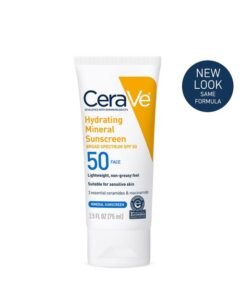
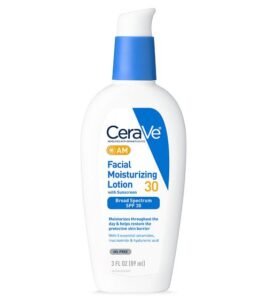
For sensitive skin, physical or gently hydrating sunscreens are usually easier to tolerate and maintain in a daily routine, with options like CeraVe Hydrating Sunscreen often preferred for comfort.
Frequently Asked Questions About Using Sunscreen
1. Which goes first, moisturizer or sunscreen?
Moisturizer is applied first, and sunscreen comes after as the final step in your morning routine. This helps the sunscreen form a protective layer on top of the skin.
2. Can I directly apply sunscreen on my face without moisturizer?
Yes, you can apply sunscreen directly if your skin feels comfortable and not dry. Many sunscreens already contain moisturizing ingredients, especially for oily or combination skin.
3. What is the correct way to use sunscreen on the face?
Sunscreen should be applied evenly to clean skin as the last step of your morning routine. Make sure you use enough product and cover all exposed areas of the face and neck.
4. What is the two-finger or three-finger rule for sunscreen?
The two-finger rule means applying sunscreen along the length of your index and middle fingers for the face and neck. Some people use three fingers to also cover the ears and jawline properly.
5. How long does sunscreen last on the skin?
Sunscreen does not last all day with one application. Its protection usually reduces after two to three hours, especially with sweating or touching the face.
6. Can I use sunscreen daily?
Yes, sunscreen is meant for daily use. Regular application helps protect the skin from gradual sun damage that happens even during routine daily activities.
7. Is it okay to apply sunscreen indoors or near windows?
Yes, sunscreen can still be helpful indoors if you sit near windows. Sunlight can pass through glass and affect the skin over time.
8. Can sunscreen be used in all seasons?
Yes, sunscreen should be used year-round. Sun exposure affects the skin in summer, winter, and even on cloudy days.
9. Should sunscreen be applied before or after makeup?
Sunscreen should always be applied before makeup. Let it settle on the skin for a few minutes, then apply makeup on top.
10. Can I apply foundation or powder after sunscreen?
Yes, you can apply foundation or powder after sunscreen has settled. Use gentle tapping instead of rubbing to avoid disturbing the sunscreen layer.
11. Can I use primer over sunscreen?
Yes, primer can be applied over sunscreen. Just make sure the sunscreen has fully absorbed before layering primer on top.
12. Is it safe to apply sunscreen on eyelids and lips?
Yes, sunscreen can be applied gently on the eyelids and around the eyes using a small amount. For lips, it is better to use a lip balm that contains sun protection instead of regular face sunscreen.
13. Does sunscreen help prevent tanning or darkening?
Sunscreen helps reduce tanning and darkening caused by sun exposure. It does not remove an existing tan but helps prevent further damage.
Related reading:
Glycolic Acid for Skin: How It Works, Benefits, and Safe Use