
Many people apply moisturizer every day and still feel that their skin looks dull, tight, or uncomfortable by the end of the day. This often leads to the assumption that the product is not suitable, when in reality the issue is usually how it is being used rather than what is being used.
Moisturizer works quietly in the background. When applied correctly, it helps the skin stay balanced and resilient. When applied incorrectly, its benefits remain limited, no matter how good the formula is.
With daily cleansing, air conditioning, and environmental stress common in Pakistan, learning how to use moisturizer correctly can make a noticeable difference in how the skin feels and behaves. This guide focuses on simple, practical ways to apply moisturizer so it works with the skin, not against it.
What Does a Moisturizer Do for Your Skin?
A moisturizer helps reduce the amount of water the skin loses throughout the day. After cleansing, the skin can dry out quickly, and moisturizer works by slowing this moisture loss and keeping the surface comfortable.
It also supports the skin’s outer layer, often called the skin barrier. When this barrier is supported, the skin is better able to stay calm and maintain balance during daily exposure to environmental stress.
Moisturizer does not change your skin type or treat specific skin concerns on its own. Instead, it helps create a stable base so the skin can function normally and feel comfortable.
This role applies to all skin types. Even oily or combination skin can lose moisture, especially after washing or using active products, and moisturizer helps prevent that imbalance.
Benefits of Using a Moisturizer Daily
1. Helps keep the skin comfortable throughout the day
When the skin is properly moisturized, it feels less tight, itchy, or uncomfortable, especially after cleansing or long hours in dry environments.
2. Reduces dryness caused by daily washing
Cleansing removes dirt and oil, but it can also strip moisture. Using a moisturizer daily helps counter this effect and keeps the skin from feeling dry after washing.
3. Supports a healthier-looking skin texture
Skin that stays moisturized tends to feel smoother and more even. Over time, this helps improve how the skin looks and feels.
4. Helps balance oily and combination skin
Skipping moisturizer can sometimes make oily skin feel worse. Proper moisturization helps the skin maintain balance instead of overproducing oil.
5. Makes the skin feel calmer and less reactive
Well-moisturized skin is often less sensitive to environmental changes, which helps reduce feelings of irritation or discomfort.
6. Helps maintain an even skin tone
Dry or dehydrated skin can appear dull or uneven. Regular use of moisturizer helps the skin look more consistent and refreshed.
7. Supports the skin during seasonal changes
Changes in weather can affect how the skin behaves. Daily moisturizing helps the skin adjust more smoothly to these shifts.
8. Improves how other skincare products perform
When the skin is properly moisturized, serums and treatments tend to apply more evenly and feel more comfortable on the skin.
9. Helps maintain skin comfort over the long term
The effects of moisturizer build gradually. Consistent daily use helps keep the skin feeling stable and well-supported over time.
10. Helps reduce the appearance of fine lines caused by dryness
When the skin lacks moisture, fine lines can appear more noticeable. Regular use of moisturizer helps keep the skin surface hydrated, which can soften the appearance of fine lines related to dryness.
How to Use Moisturizer Properly (Step-by-Step)
Using moisturizer correctly is more about timing and technique than the product itself. These simple steps help ensure it works effectively as part of a daily routine.
1. Start with a clean face. Wash your skin with your regular cleanser to remove oil, sweat, and residue from previous products.
2. Gently pat the skin dry using a clean towel. Avoid rubbing, as freshly cleansed skin can be more sensitive.
3. Apply moisturizer while the skin is slightly damp. This helps seal in moisture and improves how the product spreads across the skin.
4. Take a small amount and warm it between your fingertips. This allows the moisturizer to apply more evenly.
5. Gently spread the product across the face using light, upward motions. Do not press or rub aggressively.
6. Make sure to cover commonly missed areas such as the sides of the face, jawline, and around the mouth.
7. Allow the moisturizer to absorb fully before applying sunscreen in the morning. At night, moisturizer is usually applied after serums as the final step of the routine.
8. Use moisturizer consistently, both in the morning and at night, even if your skin does not feel dry.
9. Adjust the amount based on your skin type and comfort. The skin should feel comfortable, not greasy or heavy.
The same steps can be followed for the body, using a larger amount on areas that tend to feel dry, such as arms, legs, and elbows.
How Much Moisturizer Should You Apply?
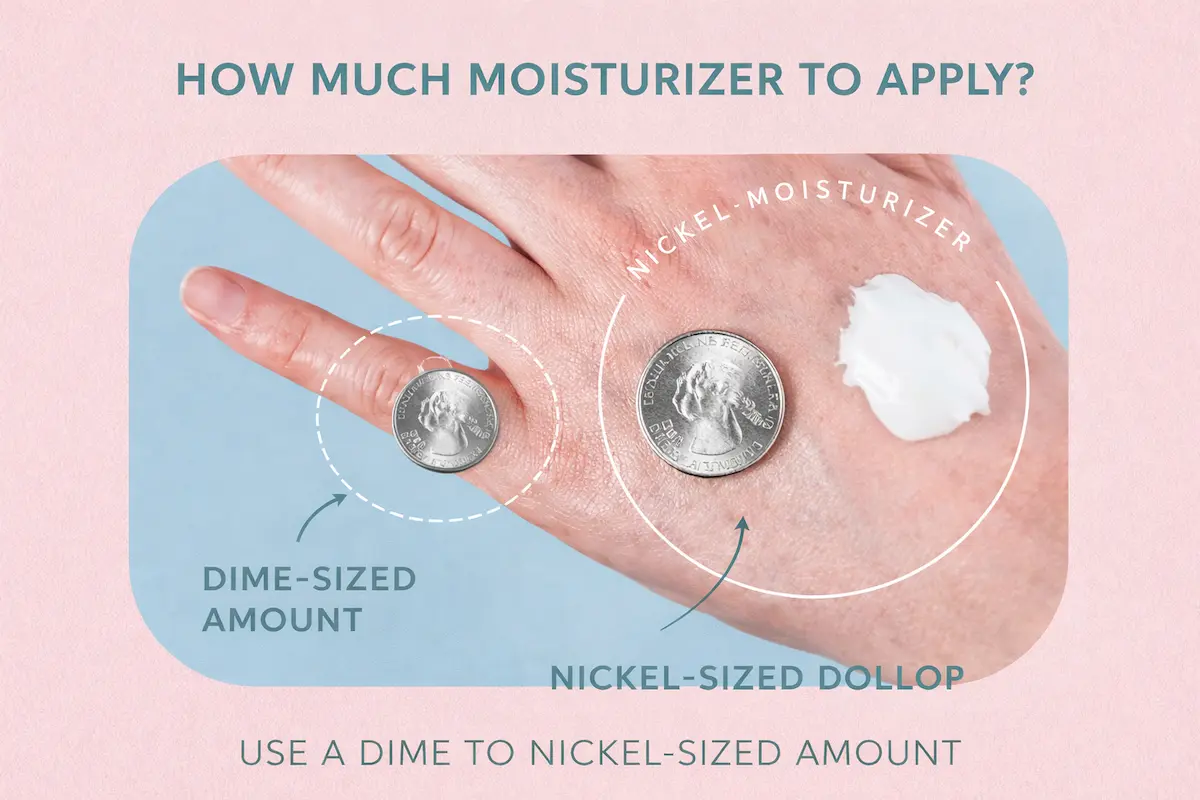
Using too much moisturizer can make the skin feel heavy, while using too little may not provide enough comfort. The goal is to apply just enough to cover the skin evenly without leaving residue.
As a general guideline:
- For the face, a pea-sized to almond-sized amount is usually sufficient.
- Start with a smaller amount and add more only if the skin still feels tight or unevenly covered.
The texture of the moisturizer also matters. Lightweight lotions and gels spread more easily, while thicker creams may require a slightly smaller amount.
Pay attention to how your skin feels after application:
- The skin should feel comfortable and smooth, not sticky or greasy.
- If the product sits on the surface for too long, you may be using more than needed.
For the neck, use a similar amount as the face and gently spread it downward. For the body, larger amounts are needed, especially on areas that tend to feel dry, such as elbows, knees, and legs.
Finding the right amount may take a few days, but once adjusted, moisturizer should feel effortless as part of the routine.
When Should You Apply Moisturizer — Morning or Night?
Moisturizer can be used in the morning and at night, but there is no strict timing rule that limits its use to these moments only. The skin may need additional support whenever it starts to feel dry, tight, or uncomfortable.
In the morning, moisturizer is typically applied after cleansing and before sunscreen to help keep the skin comfortable throughout the day. At night, it is usually applied as the final step of the routine, after serums or treatment products, to support the skin while it rests.
Beyond regular routines, moisturizer can also be applied whenever the skin feels dry, especially after washing. Cleansing the face or using soap on the hands can remove natural oils, which often leads to dryness or tightness. Applying moisturizer soon after washing helps restore comfort and prevent excessive moisture loss.
The key is to respond to how the skin feels. Moisturizer works best when used consistently and as needed, rather than only at fixed times of the day.
Should Oily or Acne-Prone Skin Use Moisturizer?
Yes, oily and acne-prone skin still needs moisturizer. Skipping it can sometimes make the skin feel worse rather than better.
When the skin is not properly moisturized, it may try to compensate by producing more oil. This can lead to increased shine, clogged pores, and discomfort, especially after cleansing or using active treatments.
For oily or acne-prone skin, the key is choosing the right texture, not avoiding moisturizer altogether. Lightweight formulas that absorb easily help keep the skin comfortable without feeling heavy.
Using moisturizer can be especially helpful:
- After cleansing, when the skin feels tight
- When using acne treatments or exfoliating products that can be drying
- When the skin feels unbalanced or irritated
Applied correctly, moisturizer helps oily and acne-prone skin stay balanced and less reactive, rather than adding unnecessary heaviness.
Common Moisturizer Mistakes to Avoid
Even a good moisturizer may not work as expected if it is used incorrectly. These are some common mistakes that can limit its effectiveness.
Applying moisturizer on completely dry skin
Moisturizer works better when the skin is slightly damp. Applying it on very dry skin can reduce how well it spreads and absorbs.
Using too much product
More is not always better. Using excess moisturizer can make the skin feel heavy or greasy and may lead to discomfort.
Skipping moisturizer because the skin is oily
Avoiding moisturizer can cause imbalance. Oily skin can still lose moisture and benefit from proper hydration.
Not adjusting moisturizer with seasons
Skin needs can change with weather. Using the same texture year-round may not always feel comfortable.
Rubbing the product aggressively into the skin
Harsh rubbing can irritate the skin. Moisturizer should be applied gently and evenly.
Applying moisturizer inconsistently
Using it only occasionally limits results. Moisturizer works best when applied regularly.
Expecting moisturizer to fix all skin concerns
Moisturizer supports comfort and balance, but it does not replace targeted treatments for specific concerns.
Applying moisturizer with unclean hands or using a dirty towel: Towels and hands can carry bacteria and residue. Applying moisturizer over skin that has been touched with unclean hands or dried with a used towel can transfer impurities to the skin, which may contribute to breakouts, rashes, or a heavy, uncomfortable feeling.
Using clean hands that have not touched other surfaces after washing, along with a fresh towel reserved only for the face rather than the whole body, helps reduce this risk and supports better skin hygiene.
Avoiding these small mistakes can significantly improve how your skin feels and responds to daily care.
How to Use Moisturizer with Active Ingredients
Active ingredients such as retinol, exfoliating acids, vitamin C, and niacinamide can sometimes make the skin feel dry or uncomfortable. Moisturizer helps reduce this dryness and keeps the skin feeling balanced.
In most routines, active products are applied before moisturizer. After the active has absorbed, moisturizer is used to seal in comfort and support the skin.
A few simple points to keep in mind:
- Apply active products on clean, dry skin.
- Give them a short moment to absorb.
- Apply moisturizer afterward to reduce dryness or tightness.
- If the skin feels sensitive, a light layer of moisturizer can also be applied before and after actives to improve comfort.
Moisturizer does not reduce the effectiveness of active ingredients. When used correctly, it helps the skin tolerate them better and maintain comfort over time.
Choosing a Moisturizer Based on Your Skin Type
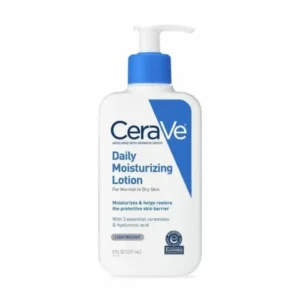
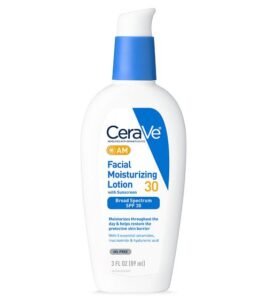
- Dry skin: CeraVe Daily Moisturizing Lotion
- Very dry skin: CeraVe Moisturizing Cream for Dry to Very Dry Skin
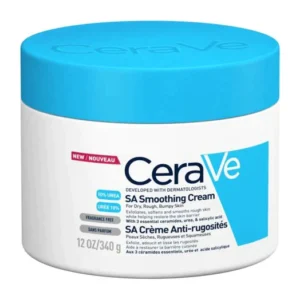
- Dry and bumpy skin: CeraVe SA Cream for Rough & Bumpy Skin
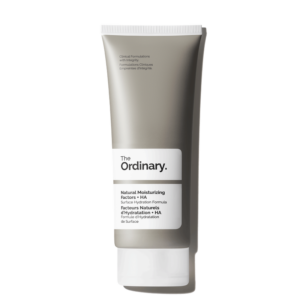
- Oily or acne-prone skin: The Ordinary Natural Moisturizing Factors + HA
Frequently Asked Questions
What is the correct way to apply moisturizer?
Moisturizer should be applied on clean skin using gentle motions. Spread it evenly across the face without rubbing aggressively, and allow it to absorb naturally.
Can I leave moisturizer on overnight?
Yes, moisturizer is safe to leave on overnight. At night, it is usually applied as the final step of the routine to keep the skin comfortable while you sleep.
Do you wash your face after applying moisturizer?
No, you should not wash your face after applying moisturizer. Moisturizer is meant to stay on the skin and work over time.
What is the 3-minute rule for moisturizer?
The 3-minute rule refers to applying moisturizer shortly after cleansing. This helps reduce moisture loss and keeps the skin from feeling tight.
What is the best time to apply moisturizer?
Moisturizer can be applied in the morning and at night. It can also be applied anytime the skin feels dry or uncomfortable, especially after washing.
Is it okay to use moisturizer every day?
Yes, moisturizer is designed for daily use. Regular use helps maintain skin comfort and balance.
What should I apply first, serum or moisturizer?
Serums are applied first, followed by moisturizer. Moisturizer helps seal in comfort after lighter products have absorbed.
What happens if I stop using moisturizer?
The skin may start to feel dry, tight, or uncomfortable. Some skin types may also produce more oil to compensate for lost moisture.
How do I know if I am using too much moisturizer?
If the skin feels greasy, sticky, or heavy after application, you may be using too much. The skin should feel comfortable, not coated.
What are signs of dehydrated skin?
Dehydrated skin may feel tight, dull, or rough. Fine lines can also appear more noticeable when the skin lacks moisture.
How long does moisturizer stay on the skin?
Moisturizer stays on the skin until it is washed off. Its effects build gradually with regular daily use.
What are the signs of an effective moisturizer?
An effective moisturizer makes the skin feel comfortable and balanced. The skin should feel smooth without irritation or heaviness.
Related:
Vitamin C Serum: Why It Is Essential for Healthy, Glowing Skin in Pakistan