Dark spots on the face are one of the most common skincare concerns in Pakistan. Due to intense sunlight, high pollution, frequent acne breakouts, and hormonal changes, many individuals struggle with stubborn marks that can take months to fade.
If you are wondering how to reduce dark spots on the face, the key is understanding why they appear and using the right combination of dermatologist-recommended ingredients and sun protection.
In this guide, we will analyze the medical triggers of pigmentation and the exact “active” ingredients you need to reclaim a clear, radiant complexion.
What Causes Dark Spots on the Face? (The Science of Melanin)
Dark spots, scientifically known as hyperpigmentation, occur when your skin produces excess melanin—the pigment responsible for skin color.
At the heart of every spot is a cell called a melanocyte. When these cells become overstimulated, they produce “clumps” of pigment that rise to the surface. In Pakistan’s environment, this typically happens due to three triggers:
1. Sun Exposure and UV Damage (Solar Lentigines)
Pakistan experiences extremely high UV levels, especially during summer months in cities like Karachi, Lahore, or Islamabad. Continuous exposure to sunlight without adequate “sunblock” protection overstimulates melanocytes, leading to flat brown patches. These typically appear on the forehead, cheeks, and nose bridge.
2. Post-Inflammatory Hyperpigmentation (Acne Marks)
If you have oily or acne-prone skin, you likely deal with PIH. When a pimple heals, the inflammation signals the skin to produce extra melanin as a healing response. In South Asian skin tones (Types III to V on the Fitzpatrick scale), these marks tend to be deeper and last significantly longer if not treated correctly.
3. Hormonal Changes and Melasma
Melasma often appears as symmetrical brown patches on the cheeks or upper lip. It is particularly tricky because it is triggered by both hormones and heat. For those spending time in hot kitchens or outdoors, the heat can darken these patches further, requiring a very gentle approach to avoid worsening the condition.
How to Reduce Dark Spots on Face Effectively: The Advanced Ingredient Guide
To truly remove dark spots, you need a two-pronged strategy: Tyrosinase Inhibition (stopping pigment production) and Epidermal Resurfacing (removing existing dark cells).
Category 1: The Pigment Inhibitors (The Melanin Blockers)
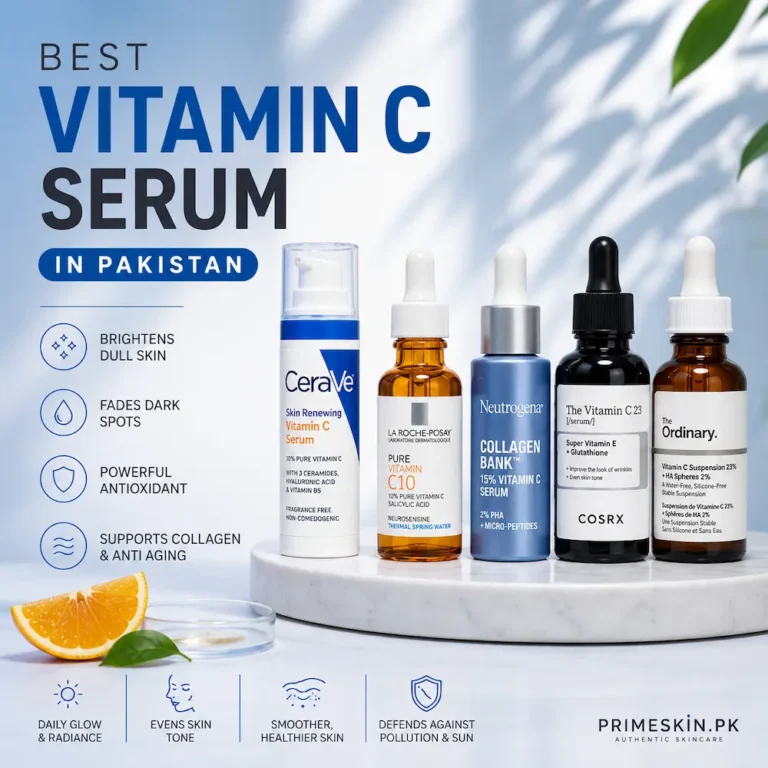
- Vitamin C (L-Ascorbic Acid): A powerful antioxidant that neutralizes free radicals caused by UV rays and pollution. It brightens the overall complexion and inhibits the enzyme responsible for producing excess pigment.
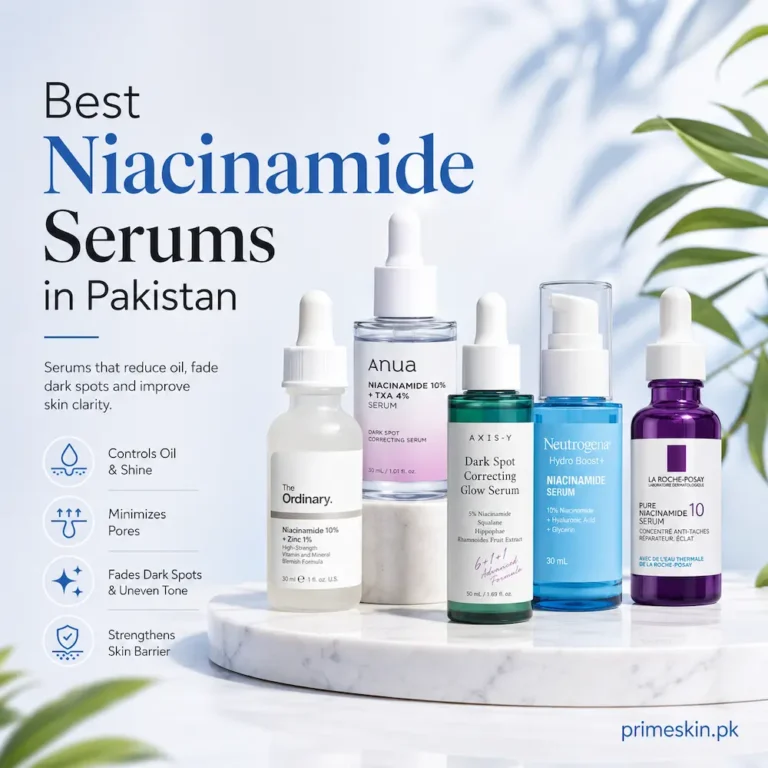
- Niacinamide (Vitamin B3): A mandatory ingredient for the Pakistani climate. It is heat-stable and prevents the transfer of melanin to the surface skin cells (keratinocytes). It also helps control oil production.
- Alpha Arbutin: Derived from the bearberry plant, this is a safe alternative to harsh bleaching creams. It specifically targets the “root” of the dark spot to fade patches over time.
- Tranexamic Acid: The “gold standard” for stubborn melasma and heat-triggered spots.
Category 2: The Cell Renewers (The Chemical Exfoliators)
- Retinol (Vitamin A): The king of skin renewal. It accelerates cell turnover, helping the skin shed pigmented cells to reveal fresher skin. (Note: Must be introduced gradually to avoid ‘Retinol burn’ in hot weather).
- Glycolic Acid (AHA): Dissolves the “cellular glue” on the surface, providing an immediate glow and helping with superficial pigmentation.
Effective Products to Remove Dark Spots on the Face
Choosing the right face cream for dark spots depends on your specific skin type and the severity of your pigmentation. Here are the top clinical picks currently available at Primeskin.pk:
- AXIS-Y Dark Spot Correcting Glow Serum: Best for recent acne marks and sensitive skin. It contains 5% Niacinamide and Rice Bran to brighten without irritation.
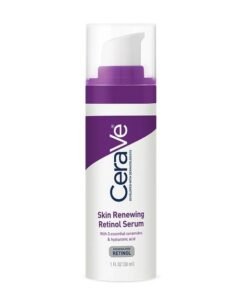
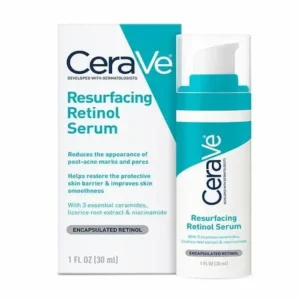
- CeraVe Resurfacing Retinol Serum: Best for deep sun spots, rough skin texture, and large pores. It uses encapsulated retinol to speed up cell renewal.
- The Ordinary Alpha Arbutin 2% + HA: A highly targeted treatment for specific dark patches, melasma, and general unevenness.
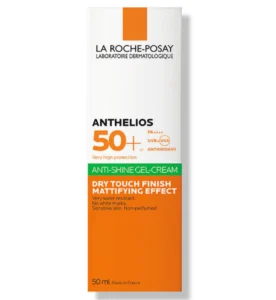
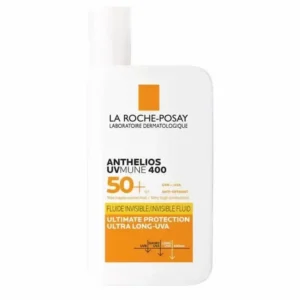
- La Roche-Posay Anthelios Invisible Fluid SPF 50+: This is the ultimate “invisible” shield. It is ultra-light, non-greasy, and offers the highest level of UVA protection, making it perfect for preventing dark spots from darkening in the Pakistani heat.
Crucial Reminder: You cannot reduce dark spots without high-quality UV protection. If you skip sunscreen, even the most expensive serums will not work.
A Simple Daily Routine for Clearer Skin
Consistency is the most important factor when learning how to reduce dark spots on the face. However, you must also be careful not to over-treat your skin. Follow this balanced, expert-approved routine to see results without damaging your skin barrier.
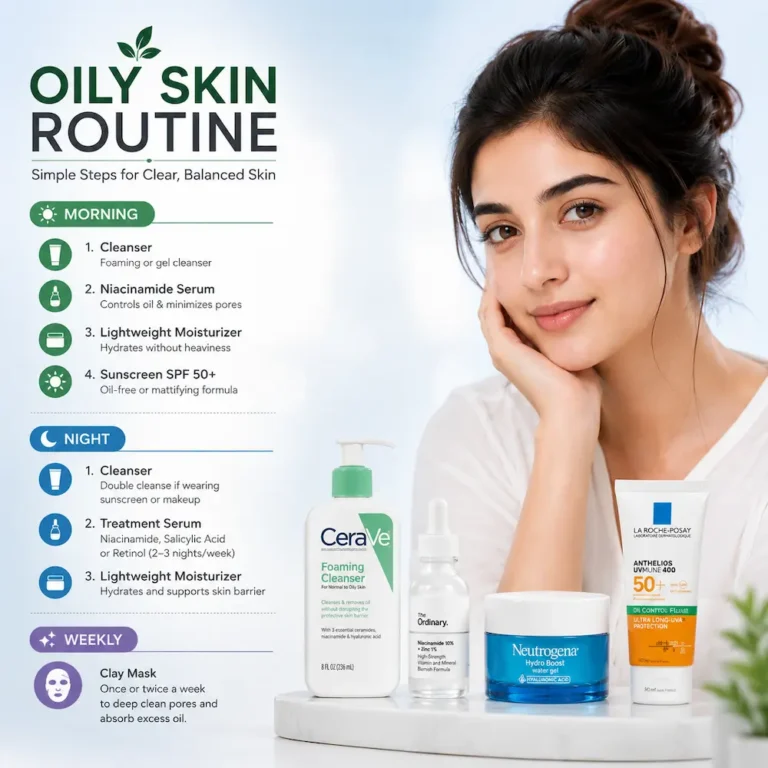
Morning (Protect & Prevent)
In the morning, your goal is to “shield” your skin from the Pakistani sun and pollution, which trigger melanin production.
- Cleanse: Use a gentle, sulfate-free cleanser to remove overnight oils.
- Brightening Serum: Apply an antioxidant or pigment inhibitor like Vitamin C, AXIS-Y Dark Spot Correcting Glow Serum, or Alpha Arbutin. These ingredients work throughout the day to block the “signals” that cause spots to darken.
- Moisturizer: Even if you have oily skin, a lightweight moisturizer keeps your barrier healthy.
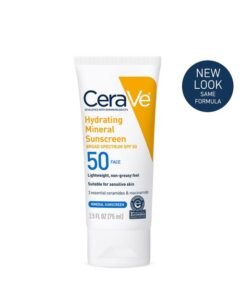
- Sunblock (Mandatory): Apply a generous amount of SPF 50 Sunblock. If you are trying to remove dark spots but skip this step, the sun will undo all your progress in just 10 minutes.
Evening (Correct & Repair)
Nighttime is when your skin goes into “repair mode.” This is when you use stronger treatments to shed pigmented cells.
- Double Cleanse: Use a micellar water or oil cleanser first to fully remove stubborn sunblock and city grime, followed by your regular face wash.
- Targeted Treatment: Apply your resurfacing active (Retinol or Glycolic Acid).
- The Retinol Rule: If using CeraVe Resurfacing Retinol, start with 2–3 nights a week until your skin builds tolerance.
- The Glycolic Acid Rule: Unlike daily serums, Glycolic Acid should only be used 2 to 3 nights per week. It is a powerful exfoliant; using it every night can cause redness and irritation, which actually leads to more dark spots.
- Crucial Safety Tip: Never use Retinol and Glycolic Acid on the same night. Use “Skin Cycling”—for example, Glycolic Acid on Monday, Retinol on Tuesday, and only hydration on Wednesday.
- Hydrate: Finish with a rich, soothing moisturizer to help your skin recover while you sleep.
Home Remedies for Dark Spots: Fact vs. Fiction
Many search for dark spots on face home remedies like lemon juice. These are often too acidic and can burn the skin, causing chemical burns that leave even darker marks. Stick to clinical serums for safe, visible results.
Frequently Asked Questions (FAQ)
What is the best remedy for dark spots on the face?
The most effective remedy is a combination of a Tyrosinase inhibitor, like Alpha Arbutin or Niacinamide, paired with daily SPF 50. These ingredients stop new pigment from forming while the sunblock prevents existing spots from darkening.
What causes dark spots on the face?
Most dark spots are caused by excess melanin production triggered by UV exposure, hormonal shifts (Melasma), or skin inflammation from acne. In Pakistan, the intense heat and high UV index are the primary reasons these spots become stubborn and dark.
How to remove spots on face naturally in 1 day?
It is biologically impossible to remove a dark spot in one day as skin cells take weeks to renew. However, you can use a gentle chemical exfoliant (AHA) to brighten the surface and high-coverage concealer to hide them instantly.
What to use to avoid dark spots?
The single most important product to avoid dark spots is a broad-spectrum sunblock used every single day. Additionally, incorporating an antioxidant like Vitamin C or Niacinamide in the morning helps neutralize the free radicals that lead to pigmentation.
Which vitamins help clear dark spots?
Vitamin B3 (Niacinamide) and Vitamin C are the most effective for brightening and even out skin tone. Vitamin A (Retinol) is also essential for accelerating cell turnover to fade deep-seated marks faster.
Are dark spots permanent?
No, most dark spots are not permanent and can be faded with the right skincare routine. With consistent use of brightening actives and strict sun protection, you should see significant results within 8 to 12 weeks.
What is the difference between a dark spot and pigmentation?
“Pigmentation” is a general term for any coloring of the skin, while a “dark spot” is a specific area of hyperpigmentation where melanin has clumped together. Essentially, all dark spots are a form of pigmentation, but not all pigmentation is a dark spot.