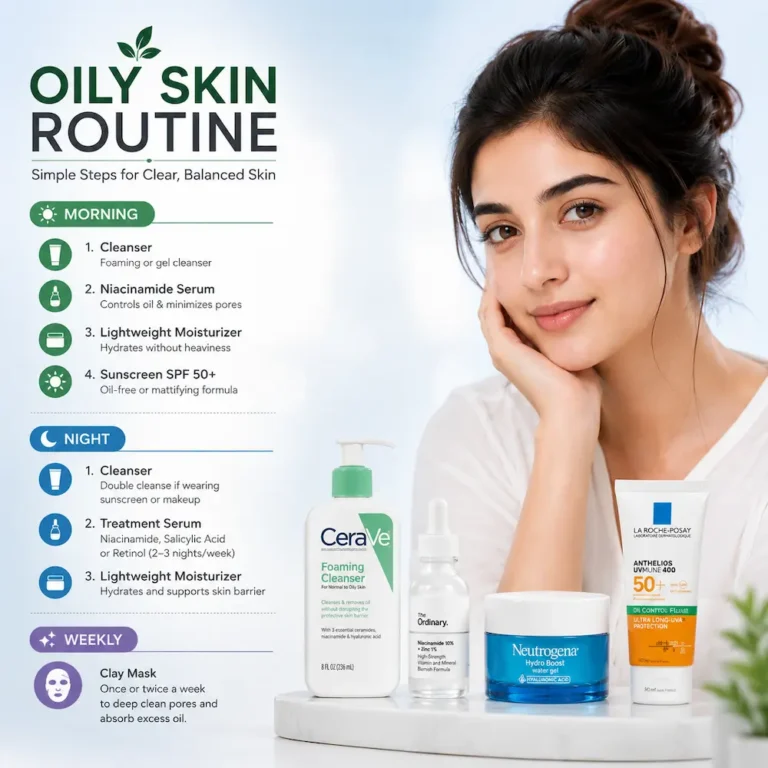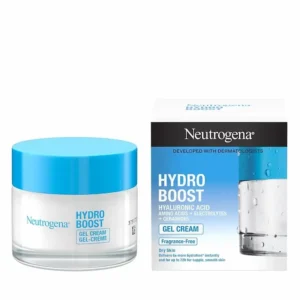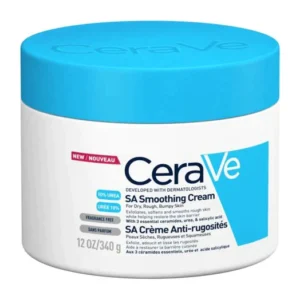

Salicylic acid is one of the most trusted skincare ingredients for managing acne, excess oil, and clogged pores. Unlike ingredients that work only on the surface, it penetrates deeper into the skin to target buildup inside the pores, where most breakouts begin. The real salicylic acid benefits come from its ability to keep pores clear, reduce congestion, and support smoother, healthier-looking skin over time rather than offering temporary surface-level results.
Acne and oily skin concerns are especially common among teenagers and young adults in Pakistan, where heat, humidity, and daily exposure to dust can make breakouts more persistent.
This is why ingredients like salicylic acid play an important role in supporting long-term skin clarity for men and women in Pakistan.
What Is Salicylic Acid?
Salicylic acid is a beta hydroxy acid commonly used in skincare to help keep pores clear and reduce breakouts. It is oil-soluble, which means it can move through oil on the skin and work inside the pores. Because of this, salicylic acid is especially useful for skin that struggles with excess oil, blackheads, or frequent congestion.
Salicylic Acid Benefits for Skin
Salicylic acid stands out because it works gradually to improve overall skin clarity instead of creating instant but temporary results. With regular and careful use, it helps reduce buildup that leads to clogged pores, excess oil, and uneven texture. Over time, this steady support allows the skin to feel more balanced and appear clearer without relying on harsh treatments.
Below are the key benefits of salicylic acid for the skin.
1. Helps Unclog Pores and Reduce Congestion
One of the most important benefits of salicylic acid is its ability to clear clogged pores. It works by loosening and removing the buildup of oil and dead skin cells that collect inside pores. When pores stay clear, the skin looks smoother and feels less congested, and the chances of breakouts forming are reduced.
2. Reduces Acne and Prevents New Breakouts
Salicylic acid is especially helpful for acne-prone skin because it targets the conditions that lead to breakouts. By keeping pores clean and reducing buildup, it makes it harder for acne to form. With regular use, it not only helps calm existing pimples but also lowers the likelihood of new breakouts appearing over time.
3. Controls Excess Oil and Shine
For oily and combination skin types, excess oil can make pores look larger and skin feel greasy throughout the day. Salicylic acid helps regulate oil buildup on the skin’s surface, which leads to a more balanced appearance. When oil levels are better controlled, the skin feels fresher and less prone to congestion.
4. Gently Exfoliates and Removes Dead Skin Cells
Salicylic acid acts as a mild chemical exfoliant, helping the skin shed dead cells without the need for harsh scrubs. This gentle exfoliation improves overall skin clarity and prevents dullness caused by surface buildup. Over time, skin appears smoother and more even in texture.
5. Improves Skin Texture and Smoothness
By reducing congestion and encouraging regular cell turnover, salicylic acid helps refine uneven or rough skin texture. This benefit is especially noticeable for skin that feels bumpy or looks uneven due to clogged pores or buildup. With consistent use, the skin gradually feels softer and more refined.
6. Helps Fade Post-Acne Marks and Uneven Tone
While salicylic acid is not a primary treatment for deep pigmentation, it can help improve the appearance of post-acne marks by supporting gentle exfoliation. As older, damaged skin cells are removed, newer and healthier skin comes to the surface, leading to a more even-looking skin tone over time.
7. Supports Clearer Skin on Both Face and Body
Salicylic acid is not limited to facial care. It is also useful for areas of the body that experience breakouts or rough texture, such as the back, chest, and shoulders. Regular use helps keep these areas clearer and smoother by reducing buildup and congestion in the skin.
How to Use Salicylic Acid on Skin
Using salicylic acid correctly is important to get results without irritating the skin. The right method depends on the type of product you are using and how sensitive your skin is.
1. Start With Clean, Dry Skin
Always apply salicylic acid on clean skin. Use a gentle cleanser to remove dirt, oil, and sunscreen, then pat the skin dry. Applying salicylic acid on dirty or wet skin can reduce its effectiveness or increase irritation.
2. Choose the Right Product Type
Salicylic acid is available in different forms such as cleansers, toners, serums, and body washes.
Cleansers are suitable for daily use and are gentler.
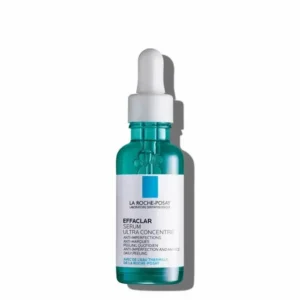
Leave-on products like salicylic acid serums or toners work more deeply and should be used less frequently, especially by beginners.
3. Use a Small Amount
Only a thin layer is needed for leave-on products. Using more product does not improve results and can lead to dryness or irritation. For cleansers, massage gently and rinse thoroughly.
4. Start Slowly and Increase Gradually
If you are new to salicylic acid, begin using it once or twice a week. As your skin adjusts, you can slowly increase frequency based on tolerance. Daily use is usually better suited for rinse-off products.
5. Follow With a Moisturizer
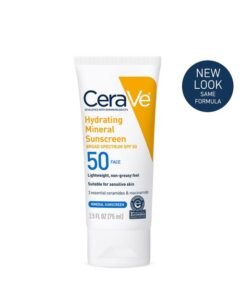
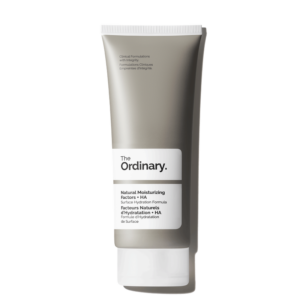
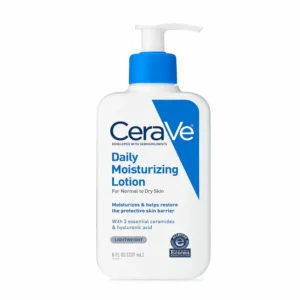
Salicylic acid can reduce excess oil, which may lead to dryness if not balanced properly. Applying a suitable moisturizer after use helps maintain the skin barrier and keeps the skin comfortable.
6. Use Sunscreen During the Day
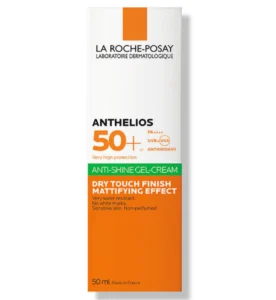
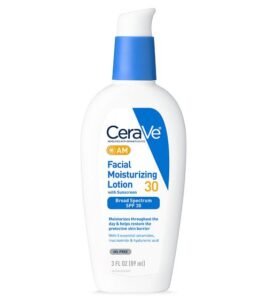
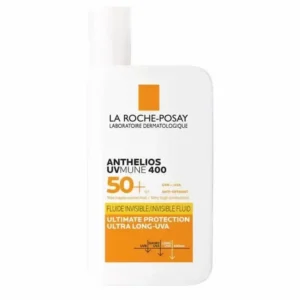
Salicylic acid can make the skin more sensitive to sunlight. If you use it in your routine, especially in leave-on form, applying sunscreen during the day is essential to protect the skin and prevent irritation or pigmentation.
7. Avoid Mixing With Strong Actives
To reduce the risk of irritation, avoid layering salicylic acid with strong exfoliating acids like glycolic acid, retinoids, or harsh scrubs in the same routine. Keeping the routine simple helps the skin adjust better.

Side Effects of Salicylic Acid
Salicylic acid is generally safe for most skin types, but like any active ingredient, it can cause side effects—especially when first introduced or used incorrectly. Most side effects are mild and temporary.
1. Dryness or Tight Feeling
Salicylic acid reduces excess oil, which can sometimes leave the skin feeling dry or tight. This is more common when using leave-on products or applying it too often.
2. Mild Peeling or Flaking
Some people notice light peeling, especially around the nose, mouth, or chin. This happens as dead skin cells shed and is usually part of the adjustment phase.
3. Redness or Irritation
Redness, slight stinging, or irritation may occur if the skin is sensitive or if salicylic acid is layered with other strong products.
4. Temporary Breakouts (Purging)
In some cases, salicylic acid may cause small breakouts at the start. This happens because clogged pores are clearing out faster. Purging usually settles within a few weeks.
How to Minimize Side Effects
Most side effects can be avoided by using salicylic acid correctly and giving your skin time to adjust.
1. Start With Low Frequency
Begin using salicylic acid once or twice a week, especially if you are new to exfoliating acids. Increase usage slowly as your skin builds tolerance.
2. Use Gentle Products Alongside It
Avoid harsh cleansers, scrubs, or alcohol-based toners while using salicylic acid. Using hydrating ingredients like niacinamide and hyaluronic acid alongside it helps keep the skin comfortable and prevents dryness.
3. Always Moisturize
Applying a moisturizer after salicylic acid helps restore hydration and protect the skin barrier. Well-moisturized skin tolerates active ingredients better.
4. Do Not Overuse
Using salicylic acid more often than recommended will not give faster results. Overuse can lead to dryness, irritation, and sensitivity.
5. Wear Sunscreen During the Day
Salicylic acid can make the skin more sensitive to the sun. Daily sunscreen use helps protect the skin and prevents redness or pigmentation.
6. Take Breaks If Skin Feels Irritated
If you notice burning, excessive peeling, or discomfort, stop using salicylic acid for a few days. Focus on hydration and barrier repair before restarting slowly.
Can People With Dry Skin Use Salicylic Acid?
Salicylic acid is not limited to oily skin only. People with dry skin can use it, but it should be used less frequently and in gentler formulas. Using a low-strength salicylic acid product once or twice a week can help clear clogged pores without stripping the skin when followed by proper moisturization.
For very dry or flaky skin, salicylic acid may feel too drying if overused. In such cases, it’s best to use it occasionally, avoid leave-on products, and focus on hydration and barrier repair. If dryness or irritation appears, stopping use and prioritizing moisturizing products is recommended.
Who Should Avoid or Be Careful With Salicylic Acid
- People with very sensitive skin may experience irritation and should use it cautiously or avoid it.
- Anyone with an aspirin allergy should not use salicylic acid.
- Avoid using it on broken, sunburned, or already irritated skin.
- If you are using strong prescription acne treatments, combining them with salicylic acid may be too harsh.
- Pregnant or breastfeeding individuals should check with a healthcare professional before using salicylic acid products.
Frequently Asked Questions (FAQs)
1. What are the benefits of salicylic acid?
Salicylic acid helps clear clogged pores, reduce acne, and control excess oil on the skin. With regular use, it also improves skin texture and helps prevent future breakouts. Its benefits are most noticeable on acne-prone and congested skin.
2. Can salicylic acid remove dark spots?
Salicylic acid does not directly treat deep dark spots, but it can help fade post-acne marks over time by gently exfoliating the skin. As old skin cells shed, the skin may appear more even. For stubborn pigmentation, other ingredients work better.
3. Can I use salicylic acid daily?
Daily use depends on the product type and your skin tolerance. Gentle salicylic acid cleansers can often be used daily, while leave-on products are better used a few times a week. Overuse may cause dryness or irritation.
4. How long does it take for salicylic acid to work?
Some improvement in oil control and breakouts may be seen within one to two weeks. Clearer skin and reduced congestion usually become more noticeable after four to six weeks of consistent use. Results build gradually, not overnight.
5. Should I use a moisturizer after salicylic acid?
Yes, moisturizing after salicylic acid is important. It helps prevent dryness and supports the skin barrier, making the ingredient easier to tolerate. Using a lightweight, non-clogging moisturizer works best.
6. Who should avoid salicylic acid?
People with very sensitive skin, an aspirin allergy, or irritated or broken skin should avoid salicylic acid. Those who experience ongoing redness or discomfort should stop using it and focus on gentle skincare instead.