Ceramides are one of the most important components of healthy skin, yet they are often misunderstood or overlooked. Many people focus on hydration or active ingredients, but without a strong foundation, even the best skincare products may not deliver the results they promise. Ceramides play a central role in keeping skin balanced, comfortable, and resilient.
In this guide, we explain what ceramides are, how they function in the skin, why they are essential for long term skin health, and how ceramide based products can be used effectively as part of a daily skincare routine.
What Are Ceramides?
Ceramides are naturally occurring lipids, or fats, found in the outermost layer of the skin. They make up a large portion of the skin’s protective structure and help maintain its strength and stability.
You can think of skin cells as building blocks and ceramides as the material that holds those blocks together. When ceramide levels are sufficient, the skin remains smooth and well protected. When they are depleted, the skin may become dry, rough, or more prone to irritation.
What Is the Skin Barrier and Why Does It Matter?
The skin barrier is the outer protective layer of the skin that helps retain moisture and defend against environmental stressors such as pollution, dust, and harsh weather.
A healthy skin barrier is made up of ceramides, cholesterol, and fatty acids working together in balance. When this balance is disturbed, the skin may experience increased moisture loss, sensitivity, and discomfort.
Daily exposure to sun, frequent cleansing, and environmental factors can gradually weaken this barrier, which is why replenishing ceramides through skincare is often recommended.
What Do Ceramides Do for the Skin?
Ceramides support the skin in several essential ways. They help hold skin cells together, strengthen the protective structure of the skin, and reduce moisture loss. By reinforcing this natural defense system, ceramides help protect the skin from external irritants and dryness.
This supportive role is especially important when using active ingredients such as retinoids or exfoliating acids, which can place extra stress on the skin if barrier support is lacking.
Why Ceramide Levels Can Decrease Over Time
Ceramide levels in the skin naturally decline due to a combination of internal and external factors. Sun exposure, aging, and repeated use of harsh cleansers can all contribute to ceramide loss. Overuse of exfoliating products or strong actives without proper moisturization can further weaken the skin’s protective structure.
In warmer and colder climates, as well as polluted environments like Pakistan, where the skin may be cleansed more frequently or exposed to heat, dust, and environmental stressors, maintaining healthy ceramide levels becomes even more important for long term skin comfort.
Benefits of Ceramides for Skin Health
When used consistently as part of a skincare routine, ceramides offer multiple benefits that support both immediate comfort and long term skin health.
- Strengthen the skin’s protective structure: Ceramides help reinforce the skin’s outer layer, making it more resilient against environmental stressors and daily wear.
- Reduce moisture loss and improve hydration retention: Ceramides help prevent dryness and keep the skin feeling soft and balanced throughout the day.
- Improve skin texture and smoothness: Healthy ceramide levels support a smoother skin surface, reducing roughness and uneven texture over time.
- Help calm sensitive or irritated skin: A well supported skin barrier is less reactive, which can help reduce discomfort, tightness, and sensitivity.
- Support acne prone and compromised skin: Ceramides help restore balance in skin that has been weakened by breakouts, over cleansing, or active treatments.
- Improve tolerance to active ingredients: When the skin barrier is supported, ingredients such as retinol or exfoliating acids are often better tolerated.
Types of Ceramides Used in Skincare Products
You may notice different ceramide names listed on skincare ingredient labels. These represent naturally occurring ceramides that support the skin’s structure and protective function in slightly different ways.
- Ceramide NP: One of the most commonly used ceramides, known for helping strengthen the skin’s outer layer and improve moisture retention.
- Ceramide AP: Supports skin barrier repair and contributes to smoother, more balanced skin.
- Ceramide EOP: Plays an important role in reinforcing the skin’s protective structure and reducing moisture loss.
- Other ceramides: Some formulations may include additional ceramides to support long term barrier stability and overall skin comfort.
Rather than focusing on individual ceramide names, it is more useful to understand that ceramides work best when combined. Well formulated products often include multiple ceramides along with cholesterol and fatty acids to closely mimic the skin’s natural composition.
Who Should Use Ceramides?
Ceramides are suitable for all skin types and can be used safely in daily skincare routines. However, certain skin types and conditions tend to benefit more noticeably from regular ceramide use.
- Dry and dehydrated skin: Reduced ceramide levels are closely linked to dryness and moisture loss.
- Sensitive or irritated skin: Ceramides help support weakened skin and reduce discomfort.
- Eczema-prone or compromised skin: Skin affected by barrier disruption often has lower ceramide levels.
- Acne-prone skin: Ceramides help maintain balance even in oily or breakout-prone skin.
- Skin using active ingredients or mature skin: Ceramides help minimize dryness and support resilience.
How to Use Ceramide Products in a Skincare Routine
Ceramides are not typically used on their own but are included as key ingredients within well formulated skincare products. They are most commonly found in moisturizers, where they help support the skin’s protective structure.
Ceramide containing cleansers can gently cleanse the skin without stripping essential lipids. After cleansing, applying a ceramide rich moisturizer helps replenish the skin barrier and maintain comfort.
Ceramides can be used alongside serums and active treatments. Because they support the skin barrier, they may reduce dryness and improve tolerance when actives are part of the routine.
Ceramides and Hydration-Focused Ingredients
Hydrating ingredients help attract and hold water within the skin, while ceramides help restore and strengthen the skin’s natural protective structure.
Rather than forming a surface seal, which is typically the role of occlusive ingredients, ceramides integrate into the skin barrier and help reduce moisture loss by repairing the spaces between skin cells.
Frequently Asked Questions About Ceramides
1. Are ceramides safe for daily use?
Yes, ceramides are considered safe for daily use. They are naturally found in the skin and are generally well tolerated across all skin types, including sensitive skin. Using ceramide-containing products in both morning and evening routines can help support skin comfort and hydration without irritation.
2. Can oily or acne-prone skin use ceramides?
Yes, ceramides are suitable for oily and acne-prone skin. They help maintain a healthy protective structure, which supports balanced skin and may reduce irritation without clogging pores.
3. Do ceramides clog pores?
Ceramides themselves do not clog pores. They are lipids similar to those naturally present in the skin, and when formulated correctly in non-comedogenic products, they support hydration without contributing to clogged pores.
4. Can ceramides be used with retinol or vitamin C?
Yes, ceramides can be used alongside active ingredients like retinol and vitamin C. Because ceramides help reinforce the skin’s protective structure, they may reduce dryness or sensitivity that sometimes occurs with these actives.
5. How long does it take to see results from ceramides?
Many people notice improved hydration and skin comfort soon after consistent use, especially when products are applied to slightly damp skin. Deeper improvements, such as smoother texture and barrier resilience, may take several weeks of regular use.
6. Can ceramides help with conditions like eczema or psoriasis?
Ceramide levels are often lower in conditions where the skin barrier is disrupted, such as eczema or psoriasis, and products with ceramides can help support moisture and comfort in compromised skin. While ceramides are not medical treatments, they can be part of a supportive skincare routine for barrier-related concerns.
7. Are ceramides suitable for aging skin?
Yes, ceramide production naturally declines with age, which can contribute to dryness and loss of resilience. Replenishing ceramides through skincare helps support hydration and may help improve the overall appearance of ageing skin over time.
8. What types of products contain ceramides?
Ceramides are commonly found in a wide range of skincare products, including cleansers, moisturizers, lotions, serums, and toners. The choice of product can depend on your skin type and specific goals, such as richer creams for dry skin or lightweight gels for oily skin.
A Note from PrimeSkin
Healthy skin begins with a strong foundation. Ceramides play a vital role in maintaining moisture, comfort, and long term skin resilience.
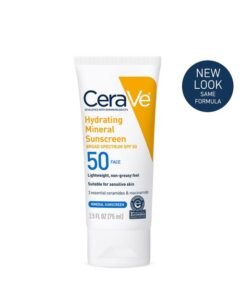
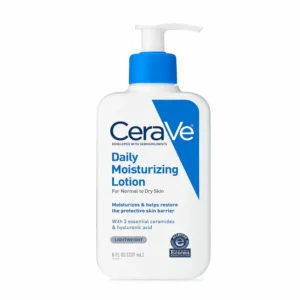
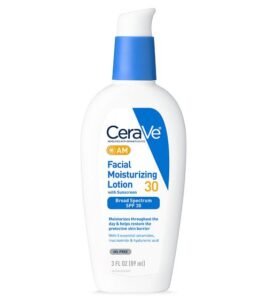
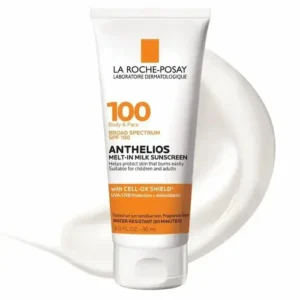
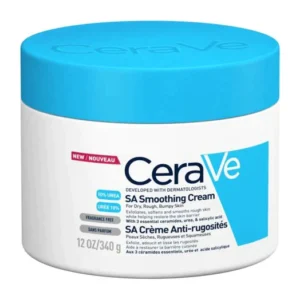
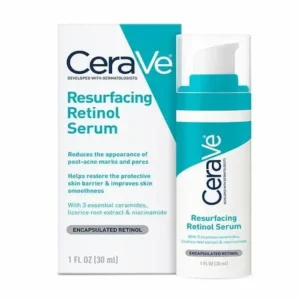
Many well formulated skincare products, including CeraVe products, use ceramides as a core ingredient to support everyday skin health. At PrimeSkin.pk, we focus on making ingredient-focused, barrier-supporting skincare easier to explore and understand.